Special Web Offer - Get 50% OFF!
Grab Your Deal Now
PlantSnap
Plant Care
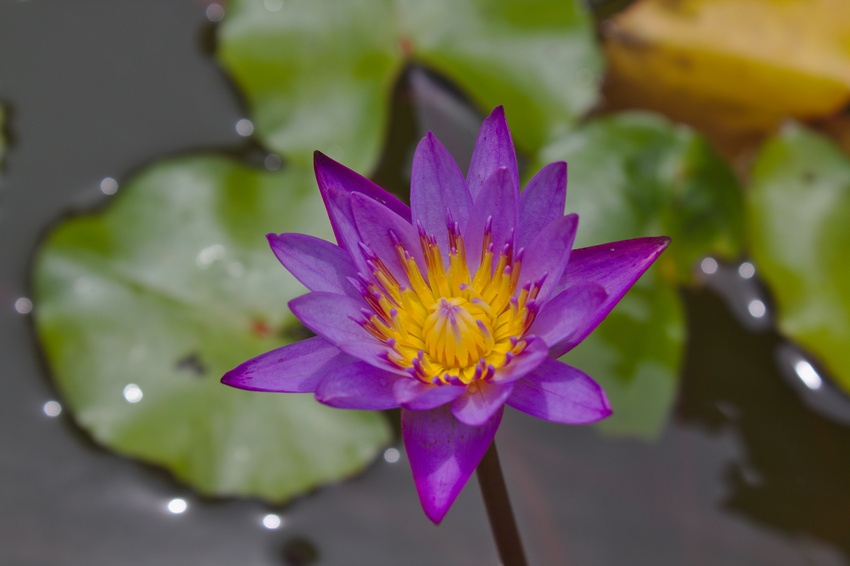
Blue egyptian water lily
(Nymphaea nouchali caerulea)
Also Known As
Blue egyptian water lily, Blue lotus, Egyptian lotus, Sacred blue lotus
About This Plant
Nymphaea nouchali caerulea is a water lily species with blue flowers that bloom in the morning and close at night. The plant has large, round leaves that float on the surface of the water. It is a popular ornamental plant in water gardens and ponds.
Plant Care Instructions
Outdoor Size Range
Leaf pads can reach up to 18 inches (45.72 cm) in diameter.
Light Requirements
Nymphaea nouchali caerulea requires full sun to partial shade. In hot climates, it benefits from some afternoon shade.
Humidity Needs
Nymphaea nouchali caerulea prefers high humidity environments, but it can tolerate moderate humidity levels.
Fertilizing Schedule
Fertilize Nymphaea nouchali caerulea every 3-4 weeks during the growing season with a fertilizer specifically formulated for aquatic plants.
Pruning Guidelines
Remove any yellow or dying leaves and spent flowers regularly to keep the plant healthy and promote new growth.
Common Pests and Diseases
Common pests that can affect Nymphaea nouchali caerulea include aphids, spider mites, and whiteflies. Diseases that can affect this plant species include leaf spot and root rot.
Indoor Size Range
Not applicable (aquatic plant)
Watering Schedule
This plant species requires consistently moist soil or water. It can tolerate water up to 6 feet (1.83 m) deep.
Temperature Range
This plant species can tolerate a wide range of temperatures, from 50 to 90 degrees Fahrenheit (10 to 32 degrees Celsius).
Growing Season
The growing season for Nymphaea nouchali caerulea is from spring to fall.
Growing Difficulty Level
Nymphaea nouchali caerulea is relatively easy to grow as long as it is provided with the right growing conditions.
USDA Hardiness Zones
Nymphaea nouchali caerulea is hardy in USDA zones 9-11.
Did You Know?
Nymphaea nouchali caerulea is the national flower of Sri Lanka and is considered sacred in Hinduism and Buddhism. The plant is also known for its psychoactive properties and is sometimes referred to as the 'blue lotus'.
