Special Web Offer - Get 50% OFF!
Grab Your Deal Now
PlantSnap
Plant Care
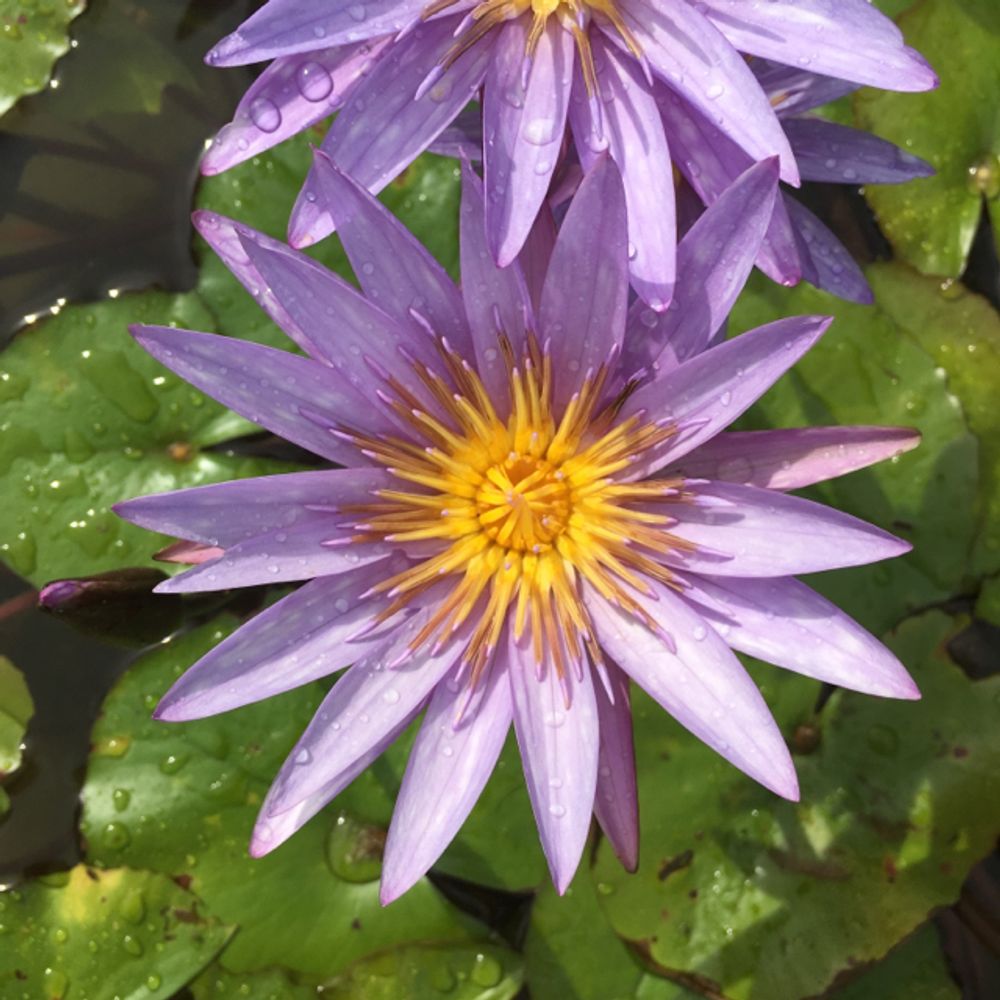
Blue lotus
(Nymphaea nouchali)
Also Known As
Blue lotus, Egyptian lotus, Sacred blue water lily
About This Plant
Nymphaea nouchali is a species of aquatic plant with large, showy flowers. It is native to tropical Asia and Queensland, Australia. The plant has a rhizomatous stem system and its leaves are rounded and float on the water surface. The flowers are fragrant and can be white, pink, or blue.
Plant Care Instructions
Outdoor Size Range
Leaves can grow up to 18 inches (45 cm) in diameter and the plant can spread up to 6 feet (1.8 m) in width
Light Requirements
The Blue water lily requires full sun to partial shade. It can tolerate shade but the plant will not flower as well.
Humidity Needs
The Blue water lily prefers high humidity levels and can benefit from misting. It can also tolerate low humidity levels.
Fertilizing Schedule
The plant can benefit from a slow-release fertilizer tablet placed in the soil near the roots. The tablet should be replaced every 3-4 months.
Pruning Guidelines
The plant requires minimal pruning. Dead leaves and flowers should be removed to prevent decay.
Common Pests and Diseases
The Blue water lily can be susceptible to aphids, spider mites, and fungal diseases. Regular inspection and treatment with insecticidal soap or neem oil can help prevent infestations.
Indoor Size Range
N/A
Watering Schedule
The plant requires consistent watering and should be kept in water that is 1-2 feet (30-60 cm) deep. The water should be changed regularly to prevent algae buildup.
Temperature Range
The plant prefers warm temperatures between 70-85°F (21-29°C). It can tolerate cooler temperatures down to 55°F (13°C) but will not flower as well.
Growing Season
The plant can be grown year-round in tropical climates. In cooler climates, it can be grown outdoors during the summer months.
Growing Difficulty Level
The Blue water lily is moderately difficult to grow. It requires consistent watering and warm temperatures to thrive. It can also be susceptible to pests and diseases.
USDA Hardiness Zones
The Blue water lily is not rated for USDA hardiness zones as it is an aquatic plant.
Did You Know?
In Hinduism and Buddhism, the Blue water lily is considered a sacred plant and is often depicted in religious art and literature. It is also the national flower of Sri Lanka and Bangladesh.
