Special Web Offer - Get 50% OFF!
Grab Your Deal Now
PlantSnap
Plant Care
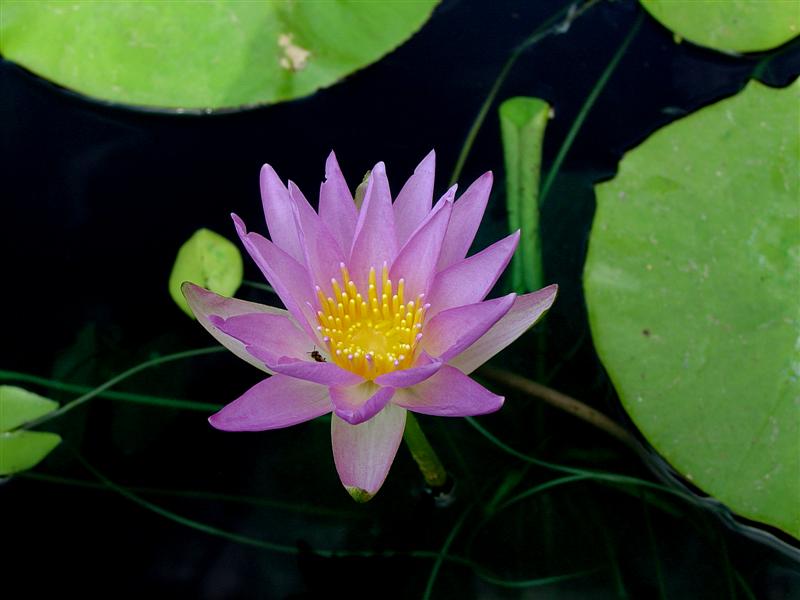
Tropical royalblue waterlily
(Nymphaea elegans)
Also Known As
Tropical royalblue waterlily, Egyptian water lily, Blue lotus, Water lily, Nymphaea
About This Plant
Nymphaea elegans is an aquatic plant species that belongs to the Nymphaeaceae family. It is commonly known as the Blue Water Lily and is native to tropical and subtropical regions of Africa and Asia. The plant has large, round, blue-green leaves and striking blue flowers that bloom in the daytime and close at night.
Plant Care Instructions
Outdoor Size Range
Leaves can reach up to 18 inches (45.7 cm) in diameter and the plant can spread up to 6 feet (1.8 m) in diameter in the right conditions.
Light Requirements
Nymphaea elegans requires full sun to partial shade. It is best to provide at least 6 hours of direct sunlight per day.
Humidity Needs
Nymphaea elegans prefers a humid environment and should be misted regularly if grown indoors.
Fertilizing Schedule
The plant should be fertilized every 2-3 weeks during the growing season with a fertilizer that is specifically formulated for aquatic plants.
Pruning Guidelines
Nymphaea elegans should be pruned regularly to remove dead leaves and flowers. This will help to promote new growth and prevent the plant from becoming overcrowded.
Common Pests and Diseases
Common pests for Nymphaea elegans include aphids, spider mites, and snails. The plant can also be susceptible to fungal diseases if the water is not changed regularly.
Indoor Size Range
N/A
Watering Schedule
The plant should be kept in standing water that is at least 6 inches (15.2 cm) deep. The water should be changed regularly to prevent the growth of algae and bacteria.
Temperature Range
The plant can tolerate a range of temperatures, but it prefers water temperatures between 75-86°F (24-30°C) and air temperatures between 60-80°F (16-27°C).
Growing Season
Nymphaea elegans can be grown year-round in tropical and subtropical regions. In cooler climates, it should be grown as an annual or overwintered indoors.
Growing Difficulty Level
Nymphaea elegans is considered to be moderately difficult to grow. It requires specific growing conditions and regular maintenance, but it can be a rewarding plant to grow for experienced gardeners.
USDA Hardiness Zones
N/A
Did You Know?
The Blue Water Lily has been used for centuries in traditional medicine to treat a variety of ailments, including anxiety, insomnia, and epilepsy.