Special Web Offer - Get 50% OFF!
Grab Your Deal Now
PlantSnap
Plant Care
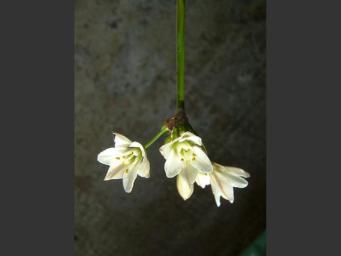
False garlic
(Nothoscordum borbonicum)
Also Known As
False garlic, Bermuda onion, Texas onion, Wild onion
About This Plant
Nothoscordum borbonicum is a species of flowering plant in the family Amaryllidaceae, native to Madagascar and the Comoros. It is a bulbous perennial that grows up to 20 inches (50 cm) tall. The plant produces narrow, linear leaves and clusters of white, star-shaped flowers with yellow centers.
Plant Care Instructions
Outdoor Size Range
10-20 inches (25-50 cm)
Light Requirements
Nothoscordum borbonicum prefers bright, indirect light. It can tolerate some direct sunlight, but too much can scorch its leaves.
Humidity Needs
Nothoscordum borbonicum prefers moderate to high humidity levels. Mist the leaves regularly or place a tray of water near the plant to increase humidity.
Fertilizing Schedule
Fertilize the plant once a month during the growing season (spring and summer) with a balanced fertilizer. Do not fertilize during the dormant season (fall and winter).
Pruning Guidelines
Remove any yellow or dead leaves as they appear. Cut back the flower stalk after blooming to encourage new growth.
Common Pests and Diseases
Nothoscordum borbonicum is generally pest-free, but it can be susceptible to spider mites and mealybugs. Treat any infestations with insecticidal soap.
Indoor Size Range
10-20 inches (25-50 cm)
Watering Schedule
Water the plant when the top layer of soil is dry to the touch. Avoid overwatering as it can lead to root rot.
Temperature Range
Nothoscordum borbonicum prefers temperatures between 60-75°F (15-24°C). It can tolerate slightly cooler temperatures but should be kept away from drafts.
Growing Season
Nothoscordum borbonicum grows best during the spring and summer months.
Growing Difficulty Level
Nothoscordum borbonicum is relatively easy to grow and care for.
USDA Hardiness Zones
Nothoscordum borbonicum is not cold hardy and is best grown in USDA hardiness zones 9-11.
Did You Know?
Nothoscordum borbonicum is sometimes used in traditional medicine to treat a variety of ailments including headaches, fever, and stomach problems.