Special Web Offer - Get 50% OFF!
Grab Your Deal Now
PlantSnap
Plant Care
Boston fern
(Nephrolepis exaltata exaltata)
Also Known As
Boston fern, Sword fern, Lemon button fern, Fishbone fern, Nephrolepis
About This Plant
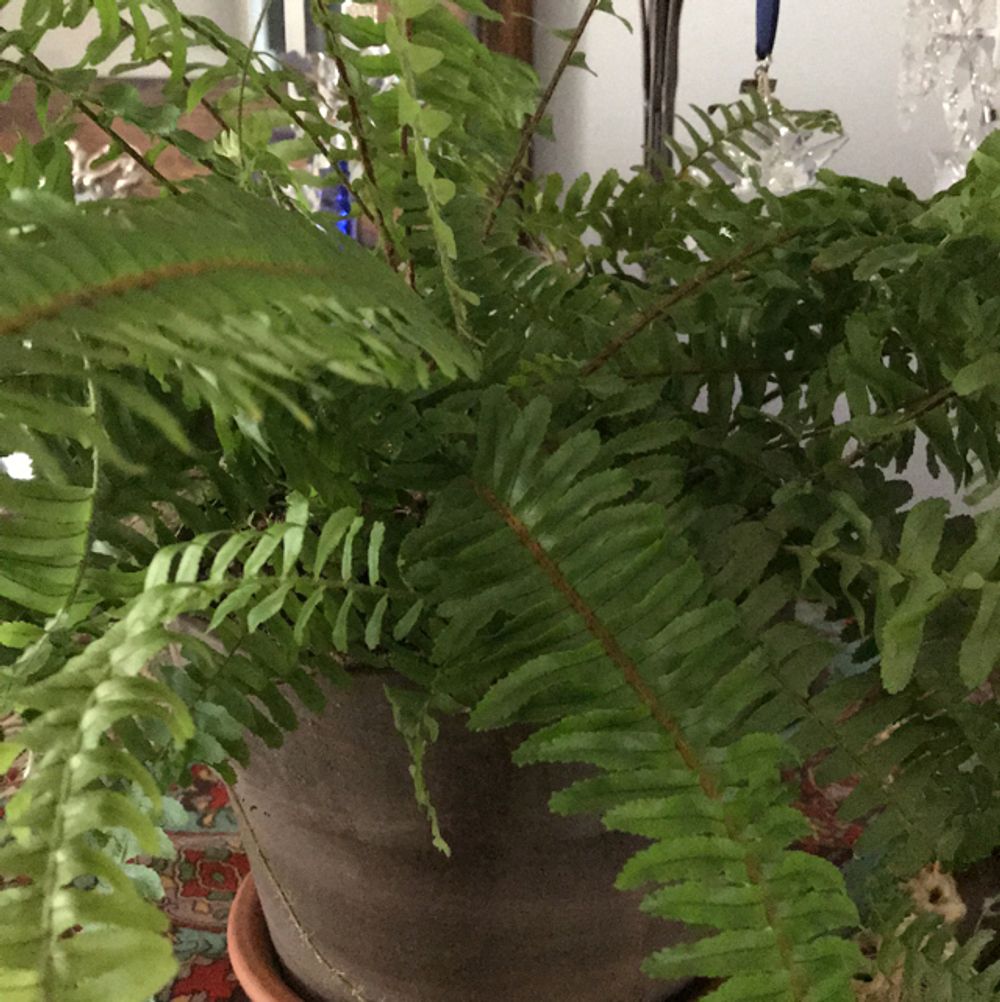
Nephrolepis exaltata exaltata is a species of fern that is commonly known as the Boston fern. It has long, arching fronds that are composed of many small, feathery leaflets. This plant is native to tropical regions of the Americas and is a popular houseplant around the world.
Plant Care Instructions
Outdoor Size Range
24-36 inches (60-90 cm)
Light Requirements
Boston ferns prefer bright, indirect light. Direct sunlight can scorch the leaves, while too little light can make the plant leggy and reduce its overall health.
Humidity Needs
Boston ferns prefer high humidity levels, ideally between 50-80%. You can increase humidity by misting the leaves regularly, placing a tray of water near the plant, or using a humidifier.
Fertilizing Schedule
Feed the plant with a balanced, water-soluble fertilizer every two weeks during the growing season (spring and summer). Reduce fertilization to once a month during fall and winter.
Pruning Guidelines
Remove any yellow or brown fronds as they appear. You can also prune the plant to control its shape or size. Prune the fronds back to just above the soil level.
Common Pests and Diseases
Common pests for Boston ferns include spider mites, mealybugs, and scale insects. Diseases such as root rot and leaf spot can also occur.
Indoor Size Range
12-24 inches (30-60 cm)
Watering Schedule
Keep the soil moist but not waterlogged. Water the plant thoroughly when the top inch of soil feels dry to the touch. Avoid letting the soil dry out completely.
Temperature Range
This plant prefers temperatures between 60-75°F (15-24°C). Avoid exposing it to temperatures below 55°F (13°C) or above 80°F (27°C).
Growing Season
Boston ferns can be grown year-round, but they tend to grow more actively during the spring and summer.
Growing Difficulty Level
Boston ferns are relatively easy to grow, but they require consistent care to thrive. They are a good choice for beginner plant enthusiasts.
USDA Hardiness Zones
9b to 11
Did You Know?
The Boston fern was first discovered in the 1800s growing in a shipment of plants from the West Indies to Boston, Massachusetts. It quickly became a popular houseplant and is now one of the most widely grown ferns in the world.