Special Web Offer - Get 50% OFF!
Grab Your Deal Now
PlantSnap
Plant Care
Rambutan
(Nephelium lappaceum)
Also Known As
Rambutan, Hairy lychee, Nepalese litchi
About This Plant
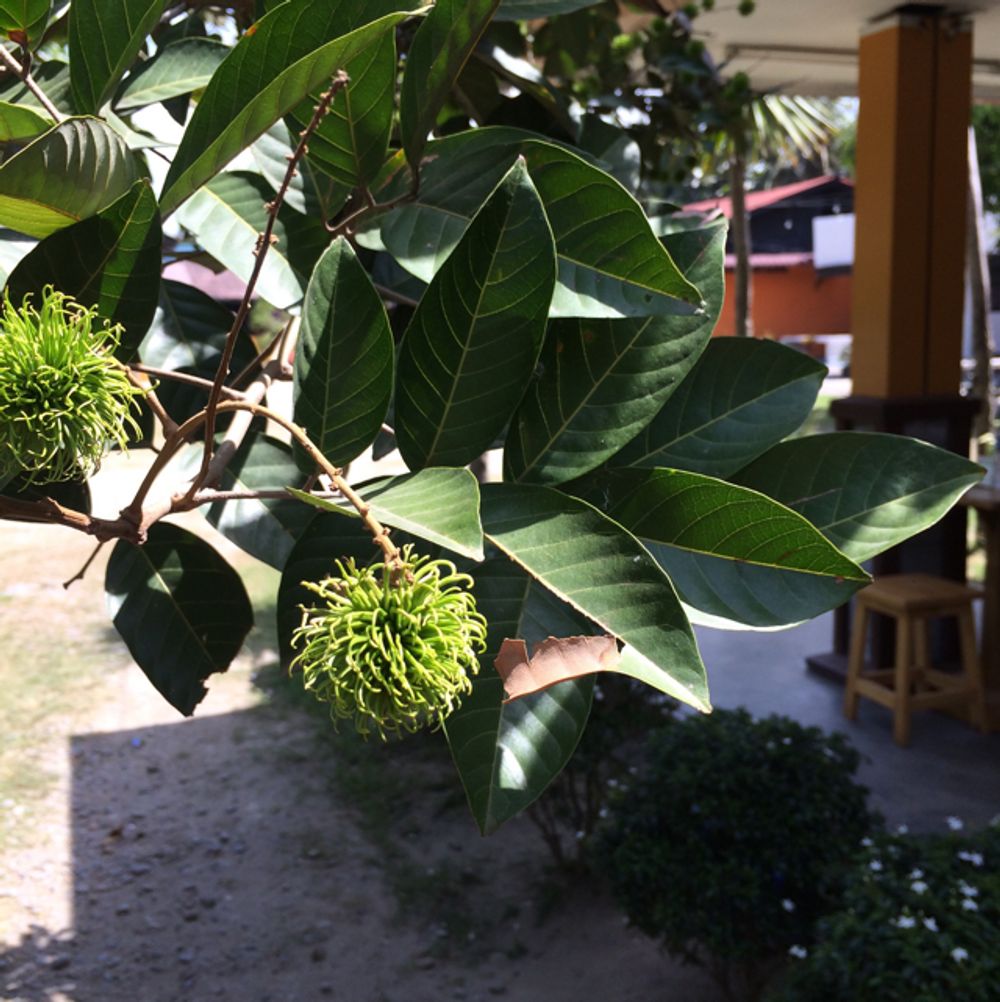
Nephelium lappaceum is a tropical fruit tree species that is native to Southeast Asia. It is a medium-sized evergreen tree that can grow up to 20 meters tall. The tree is known for its delicious fruit, the rambutan, which has a sweet and sour flavor and is covered in a hairy red or yellow skin.
Plant Care Instructions
Outdoor Size Range
40-60 feet (12-18 meters) tall, 20-30 feet (6-9 meters) wide
Light Requirements
Rambutan trees require full sun to grow and produce fruit. They need at least 6-8 hours of direct sunlight per day.
Humidity Needs
These trees prefer high humidity levels, around 70-80%. It is recommended to mist the leaves regularly.
Fertilizing Schedule
A balanced fertilizer should be applied every 3-4 months during the growing season. It is recommended to use a fertilizer with a higher potassium content to promote fruit production.
Pruning Guidelines
Pruning is not necessary for rambutan trees, but it can help to shape the tree and improve fruit production. Dead or diseased branches should be removed as soon as possible.
Common Pests and Diseases
Common pests for rambutan trees include fruit flies, mealybugs, and scales. Diseases such as anthracnose and powdery mildew can also affect the tree.
Indoor Size Range
Not suitable for indoor cultivation
Watering Schedule
Rambutan trees need regular watering, especially during the growing season. The soil should be kept moist, but not waterlogged.
Temperature Range
Rambutan trees grow best in warm and humid climates. The ideal temperature range is between 68-86°F (20-30°C).
Growing Season
The growing season for rambutan trees is from late spring to early fall.
Growing Difficulty Level
Moderate
USDA Hardiness Zones
Rambutan trees are only suitable for USDA hardiness zones 10-11.
Did You Know?
The name 'rambutan' comes from the Malay word 'rambut', which means 'hair'. This refers to the hairy skin of the fruit.
