Special Web Offer - Get 50% OFF!
Grab Your Deal Now
PlantSnap
Plant Care
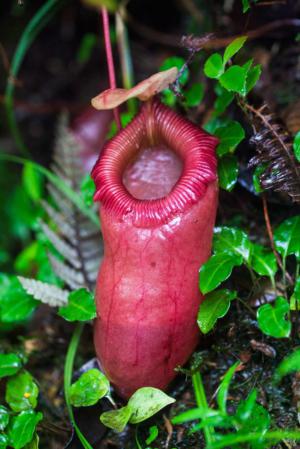
Ventricose pitcher-plant
(Nepenthes ventricosa)
Also Known As
Ventricose pitcher-plant, Ventricose pitcher plant, Monkey cup, Nepenthes
About This Plant
Nepenthes ventricosa is a carnivorous plant species that belongs to the genus Nepenthes. It is commonly known as the Pitcher Plant or Monkey Cup. This plant species is native to the Philippines and is known for its unique pitcher-shaped leaves that trap and digest insects.
Plant Care Instructions
Outdoor Size Range
12-24 inches (30-60 cm)
Light Requirements
Nepenthes ventricosa requires bright, indirect light. It should not be exposed to direct sunlight as it can cause damage to the leaves.
Humidity Needs
This plant species requires high humidity levels. It is recommended to keep the humidity levels between 70-80%. You can increase humidity levels by placing the plant on a tray filled with water and pebbles or by using a humidifier.
Fertilizing Schedule
Feed Nepenthes ventricosa with a balanced liquid fertilizer every 2-3 weeks during the growing season. Do not fertilize during the dormant season.
Pruning Guidelines
Prune Nepenthes ventricosa to remove dead or damaged leaves. You can also prune the plant to control its size and shape.
Common Pests and Diseases
Common pests for Nepenthes ventricosa include aphids, mealybugs, and spider mites. It is also susceptible to fungal diseases such as powdery mildew and botrytis.
Indoor Size Range
6-12 inches (15-30 cm)
Watering Schedule
It is important to keep the soil of Nepenthes ventricosa consistently moist. Water the plant when the top layer of soil feels dry to the touch. Do not let the soil dry out completely.
Temperature Range
Nepenthes ventricosa prefers temperatures between 65-85°F (18-29°C). It should not be exposed to temperatures below 50°F (10°C).
Growing Season
The growing season for Nepenthes ventricosa is from spring to fall.
Growing Difficulty Level
Nepenthes ventricosa is considered moderately difficult to grow. It requires specific growing conditions such as high humidity levels and consistent soil moisture. However, with proper care, it can thrive indoors.
USDA Hardiness Zones
Nepenthes ventricosa is not rated for USDA hardiness zones as it is a tropical plant species.
Did You Know?
The pitcher-shaped leaves of Nepenthes ventricosa are not only used for trapping insects, but they also provide a habitat for a variety of organisms such as bacteria, fungi, and even small animals like tree shrews.