Special Web Offer - Get 50% OFF!
Grab Your Deal Now
PlantSnap
Plant Care
Pitcher plant
(Nepenthes peltata)
Also Known As
Pitcher plant, Peltate pitcher plant, Tropical pitcher plant
About This Plant
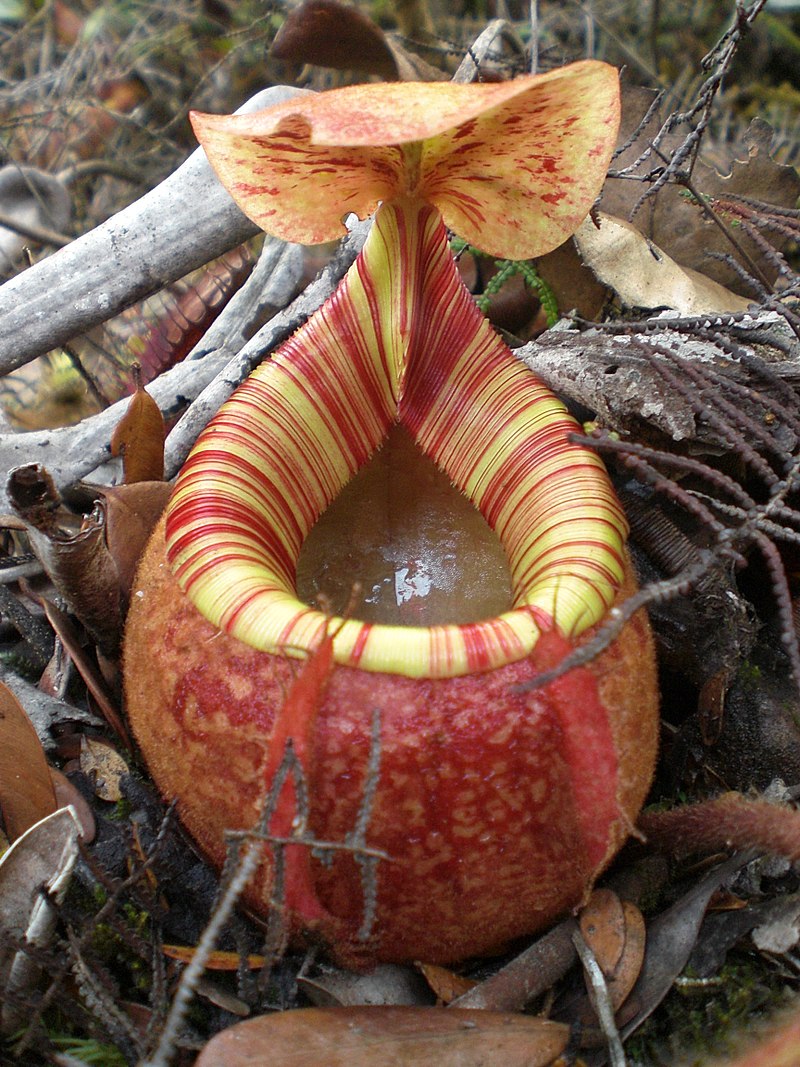
Nepenthes peltata is a species of tropical pitcher plant native to Borneo. It is a climbing plant with long tendrils that produce distinctive cups filled with digestive fluid, which trap and digest insects.
Plant Care Instructions
Outdoor Size Range
Can grow up to 10 feet (3 meters) in height and 6 feet (1.8 meters) in width.
Light Requirements
Nepenthes peltata requires bright, indirect sunlight. Avoid placing it in direct sunlight as it can burn the leaves.
Humidity Needs
This plant requires high humidity levels between 60-80%. Use a humidifier or place a tray filled with water and pebbles near the plant to increase humidity.
Fertilizing Schedule
Feed Nepenthes peltata with a diluted, low-nitrogen fertilizer every 2-3 months during the growing season.
Pruning Guidelines
Remove dead or dying leaves and pitchers regularly to promote new growth.
Common Pests and Diseases
Common pests for Nepenthes peltata include spider mites and aphids. It is also susceptible to fungal infections.
Indoor Size Range
Not suitable for indoor growing.
Watering Schedule
Keep the soil moist at all times. Nepenthes peltata is sensitive to chlorine and other chemicals found in tap water, so it is recommended to use distilled or rainwater for watering.
Temperature Range
Nepenthes peltata thrives in warm temperatures between 75-85°F (24-29°C) during the day and 60-70°F (15-21°C) during the night.
Growing Season
Nepenthes peltata can be grown year-round in tropical climates.
Growing Difficulty Level
Nepenthes peltata is considered moderately difficult to grow. It requires specific growing conditions and can be sensitive to changes in temperature and humidity.
USDA Hardiness Zones
Nepenthes peltata is not suitable for growing outdoors in the United States as it requires tropical conditions.
Did You Know?
Nepenthes peltata is one of the few pitcher plant species that does not produce a lid over its pitchers, making it easier for insects to fall in.
