Special Web Offer - Get 50% OFF!
Grab Your Deal Now
PlantSnap
Plant Care
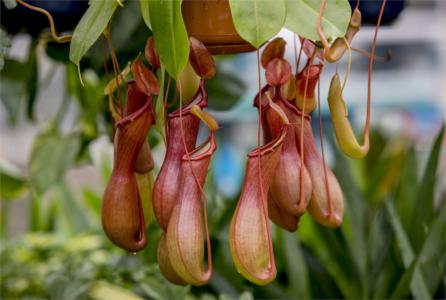
Winged pitcher plant
(Nepenthes alata)
Also Known As
Winged pitcher plant, Alata pitcher plant, Bladderwort
About This Plant
Nepenthes alata is a carnivorous plant species that is native to the Philippines. It is a climbing vine that produces distinctive cup-shaped leaves that are used to trap and digest insects. The plant has a unique appearance and is a popular choice for collectors.
Plant Care Instructions
Outdoor Size Range
Up to 10 feet (3 m)
Light Requirements
Nepenthes alata requires bright, indirect light. It should be placed near a window that receives filtered sunlight. Avoid direct sunlight as it can burn the leaves.
Humidity Needs
Nepenthes alata requires high humidity levels. It should be kept in a humid environment with a humidity level of 70-80%. This can be achieved by placing the plant on a tray filled with water and pebbles or by using a humidifier.
Fertilizing Schedule
Nepenthes alata requires a low-nutrient fertilizer. Use a fertilizer that is specifically designed for carnivorous plants and dilute it to half the recommended strength. Fertilize the plant every 2-3 months during the growing season.
Pruning Guidelines
Pruning is not necessary for Nepenthes alata. However, dead leaves and pitchers should be removed to prevent fungal growth.
Common Pests and Diseases
Common pests that can affect Nepenthes alata include spider mites, aphids, and mealybugs. Diseases that can affect the plant include fungal infections and root rot.
Indoor Size Range
12-24 inches (30-60 cm)
Watering Schedule
The plant should be kept moist at all times. It is important to use distilled or rainwater as tap water can contain minerals that are harmful to the plant. Water the plant from the top to allow excess water to drain out of the bottom.
Temperature Range
The plant prefers warm temperatures between 70-80°F (21-27°C). It should be kept away from cold drafts and temperatures below 60°F (15°C).
Growing Season
Nepenthes alata can be grown year-round indoors. It grows best in the summer months when temperatures are warmer.
Growing Difficulty Level
Nepenthes alata is considered a moderately difficult plant to grow. It requires specific growing conditions and care to thrive.
USDA Hardiness Zones
Nepenthes alata is not suitable for outdoor growing in the United States, as it is native to tropical regions.
Did You Know?
Nepenthes alata is known for its unique pitcher-shaped leaves, which are used to trap and digest insects. The plant has evolved to be carnivorous due to the nutrient-poor soil in its native habitat.
