Special Web Offer - Get 50% OFF!
Grab Your Deal Now
PlantSnap
Plant Care
Apostle plant
(Neomarica gracilis)
Also Known As
Apostle plant, Walking iris, Fan plant, Brazilian walking iris
About This Plant
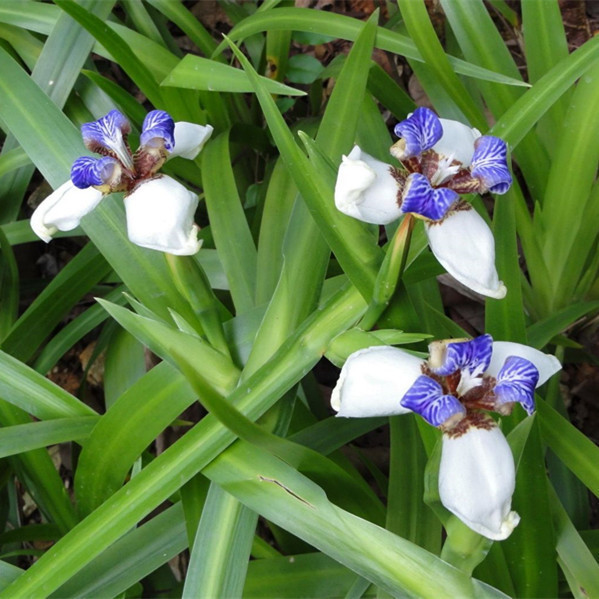
Neomarica gracilis is a species of flowering plant in the family Iridaceae, native to Brazil. It is an evergreen perennial that grows up to 2 feet (60 cm) tall, with long, narrow leaves that can reach up to 3 feet (90 cm) in length. The plant produces small, delicate flowers that are white with purple-blue markings on the petals.
Plant Care Instructions
Outdoor Size Range
12-24 inches (30-60 cm)
Light Requirements
The Walking Iris prefers bright, indirect light. Direct sunlight can scorch the leaves.
Humidity Needs
The Walking Iris prefers moderate to high humidity levels. Mist the leaves regularly or place a tray of water near the plant to increase humidity.
Fertilizing Schedule
Fertilize the plant once a month during the growing season with a balanced, water-soluble fertilizer. Do not fertilize during the winter months.
Pruning Guidelines
Prune the plant as needed to remove dead or damaged leaves and flowers. The Walking Iris does not require heavy pruning.
Common Pests and Diseases
Common pests include spider mites, mealybugs, and scale insects. Treat with insecticidal soap or neem oil.
Indoor Size Range
12-24 inches (30-60 cm)
Watering Schedule
Water the plant when the top inch of soil feels dry to the touch. Do not let the soil dry out completely, but also avoid overwatering as this can lead to root rot.
Temperature Range
The plant prefers temperatures between 60-80°F (15-27°C). Avoid exposing it to temperatures below 50°F (10°C).
Growing Season
The plant can be grown year-round, but it prefers warmer temperatures and higher humidity levels during the summer months.
Growing Difficulty Level
The Walking Iris is relatively easy to grow and care for, making it a good choice for beginners.
USDA Hardiness Zones
The Walking Iris is hardy in USDA zones 8-11.
Did You Know?
The Walking Iris gets its name from the fact that new plantlets form at the end of its long flower stalks, which then bend down to the ground and take root, allowing the plant to 'walk' to new locations.