Special Web Offer - Get 50% OFF!
Grab Your Deal Now
PlantSnap
Plant Care
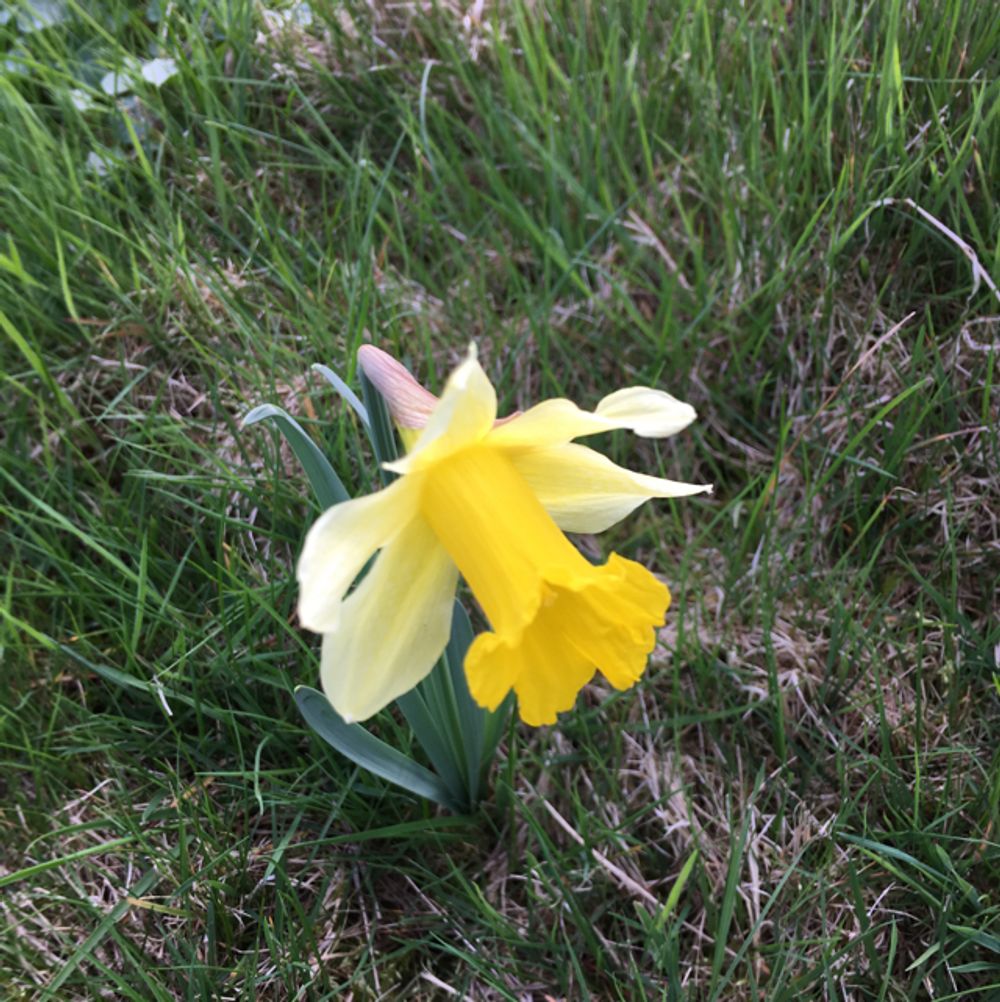
Daffodil
(Narcissus bicolor)
Also Known As
Daffodil, Two-tone daffodil, Bicolor narcissus, Bicolor daffodil
About This Plant
Narcissus bicolor is a bulbous perennial plant species that belongs to the Amaryllidaceae family. The plant has narrow, strap-like leaves and produces fragrant, white flowers with a yellow cup-shaped corona in the center. It grows up to 16 inches (40 cm) tall and blooms in the spring.
Plant Care Instructions
Outdoor Size Range
8-16 inches (20-40 cm)
Light Requirements
Narcissus bicolor prefers full sun to partial shade. It needs at least 6 hours of direct sunlight per day.
Humidity Needs
The plant prefers moderate humidity levels.
Fertilizing Schedule
The plant requires a balanced fertilizer during the growing season. Fertilizer should be applied every 2-3 weeks.
Pruning Guidelines
The plant does not require pruning, but dead flowers and leaves should be removed to prevent fungal infections.
Common Pests and Diseases
Common pests for Narcissus bicolor include aphids, thrips, and slugs. Diseases that can affect the plant include bulb rot and leaf spot.
Indoor Size Range
Not suitable for indoor cultivation
Watering Schedule
The plant requires regular watering during the growing season, but the soil should not be waterlogged. Watering should be reduced after the blooming period.
Temperature Range
Narcissus bicolor can tolerate a wide range of temperatures, from 20 to 80°F (-7 to 27°C). However, it prefers cool temperatures during the growing season.
Growing Season
Narcissus bicolor blooms in the spring and goes dormant in the summer. It requires a cold period to bloom, so it is not suitable for warm climates.
Growing Difficulty Level
Narcissus bicolor is easy to grow and requires minimal care. It is suitable for beginner gardeners.
USDA Hardiness Zones
Narcissus bicolor is hardy in USDA zones 5-9.
Did You Know?
Narcissus bicolor is also known as the 'hoop petticoat daffodil' because of the shape of its corona.
