Special Web Offer - Get 50% OFF!
Grab Your Deal Now
PlantSnap
Plant Care
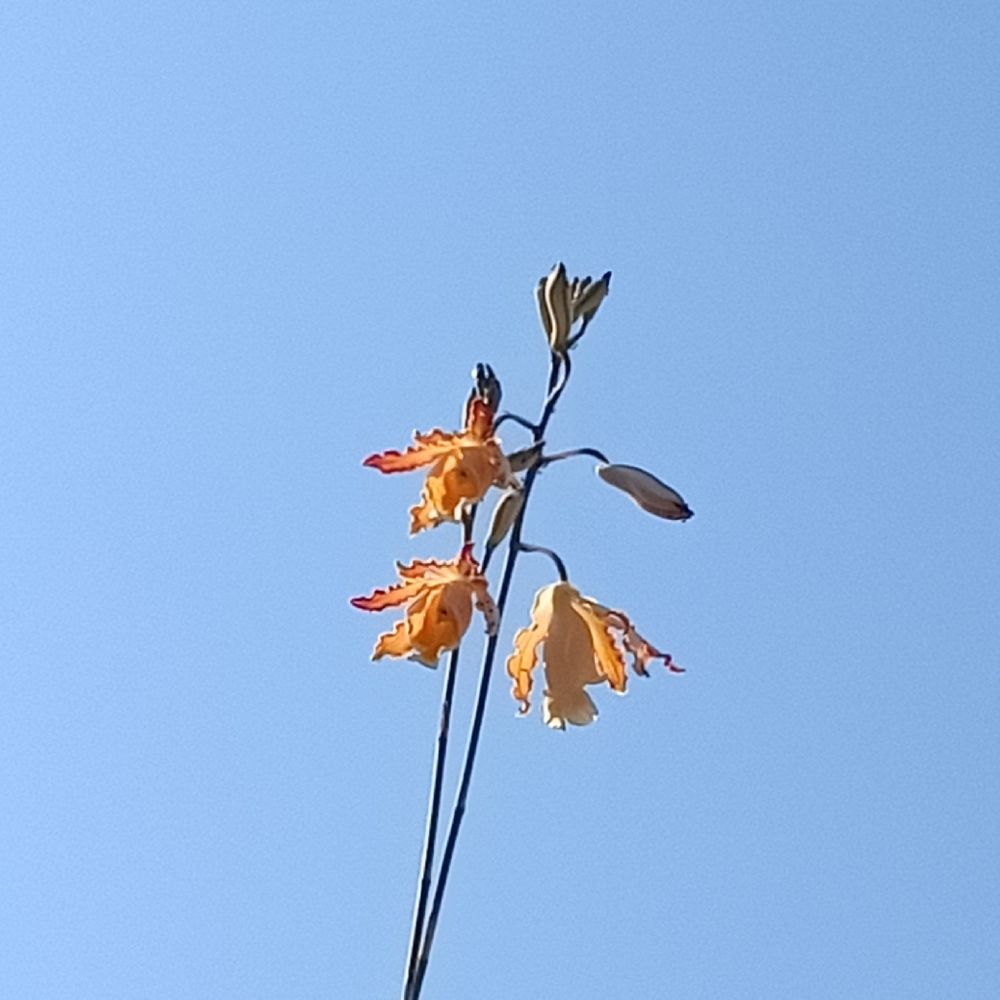
Cowhorn orchid
(Myrmecophila tibicinis)
Also Known As
Cowhorn orchid, Hummingbird orchid, Ant plant
About This Plant
Myrmecophila tibicinis is a species of orchid native to Central and South America. It is commonly known as the 'antelope orchid' due to its resemblance to the animal's horns. The plant produces tall spikes with clusters of fragrant flowers that can range in color from white to pink and purple.
Plant Care Instructions
Outdoor Size Range
12-24 inches (30-61 cm)
Light Requirements
Myrmecophila tibicinis prefers bright, indirect light. Direct sunlight can burn the leaves.
Humidity Needs
This orchid requires high humidity levels, between 50-70%. Use a humidifier or place a tray of water near the plant to increase humidity.
Fertilizing Schedule
Feed the plant every two weeks during the growing season with a balanced orchid fertilizer. Reduce feeding during the dormant season.
Pruning Guidelines
Remove spent flowers and yellowing leaves as needed. Prune the plant in the spring to encourage new growth.
Common Pests and Diseases
Common pests for Myrmecophila tibicinis include spider mites, mealybugs, and scale insects. Treat infestations with a solution of neem oil or insecticidal soap.
Indoor Size Range
N/A
Watering Schedule
Water the plant once a week, allowing the soil to dry out slightly between waterings. Increase watering during the plant's active growing season.
Temperature Range
Myrmecophila tibicinis prefers temperatures between 60-80°F (15-27°C). Avoid exposing the plant to temperatures below 50°F (10°C).
Growing Season
The growing season for Myrmecophila tibicinis is typically from spring to fall.
Growing Difficulty Level
Myrmecophila tibicinis can be moderately difficult to grow, as it requires high humidity and specific temperature and light conditions. However, with proper care, it can be a rewarding plant to grow.
USDA Hardiness Zones
Myrmecophila tibicinis is not frost-tolerant and is best suited for USDA hardiness zones 10-12.
Did You Know?
The name Myrmecophila comes from the Greek words 'myrmex' meaning ant and 'philo' meaning loving, referring to the plant's association with ants. Some species of Myrmecophila have a symbiotic relationship with ants, providing a home for the ants in their hollow pseudobulbs in exchange for protection from herbivores.
