Special Web Offer - Get 50% OFF!
Grab Your Deal Now
PlantSnap
Plant Care
New zealand forget-me-not
(Myosotis spathulata)
Also Known As
New zealand forget-me-not, Spatula-leaved forget-me-not, Spatula myosotis
About This Plant
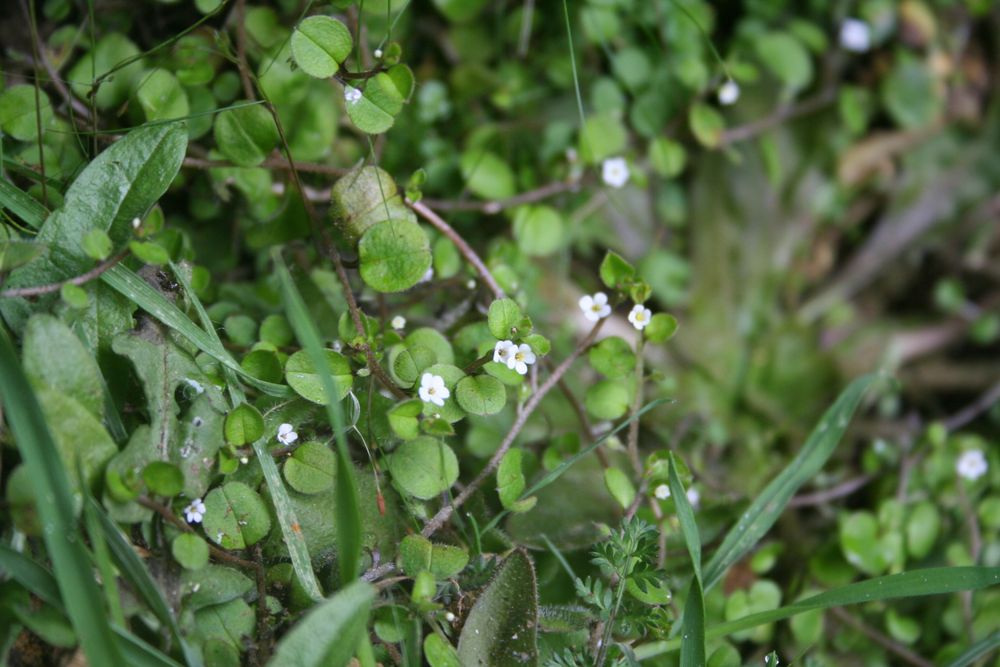
Myosotis spathulata is a species of flowering plant in the family Boraginaceae. It is a small, herbaceous perennial that is native to New Zealand. The plant has small, blue flowers that bloom in the spring and summer.
Plant Care Instructions
Outdoor Size Range
8-12 inches (20-30 cm)
Light Requirements
Myosotis spathulata prefers partial shade to full sun. It can tolerate some shade, but too much shade will cause the plant to become leggy.
Humidity Needs
The plant prefers moderate humidity levels. It can tolerate dry air, but high humidity levels can cause fungal diseases.
Fertilizing Schedule
The plant does not require frequent fertilization, but it can benefit from a balanced fertilizer applied once a month during the growing season.
Pruning Guidelines
The plant does not require pruning, but deadheading spent flowers can encourage more blooms.
Common Pests and Diseases
Common pests for Myosotis spathulata include aphids and spider mites. Fungal diseases can also be a problem in humid conditions.
Indoor Size Range
6-8 inches (15-20 cm)
Watering Schedule
The plant prefers moist soil and should be watered regularly. However, it is important not to overwater the plant as this can cause root rot.
Temperature Range
Myosotis spathulata prefers cool temperatures between 50-70°F (10-21°C). It can tolerate higher temperatures, but too much heat can cause the plant to wilt.
Growing Season
The growing season for Myosotis spathulata is in the spring and summer.
Growing Difficulty Level
Myosotis spathulata is an easy plant to grow and is suitable for beginner gardeners.
USDA Hardiness Zones
Myosotis spathulata is hardy in USDA zones 5-9.
Did You Know?
The name 'Myosotis' comes from the Greek words 'myos' meaning mouse and 'otos' meaning ear, which refers to the shape of the plant's leaves.