Special Web Offer - Get 50% OFF!
Grab Your Deal Now
PlantSnap
Plant Care
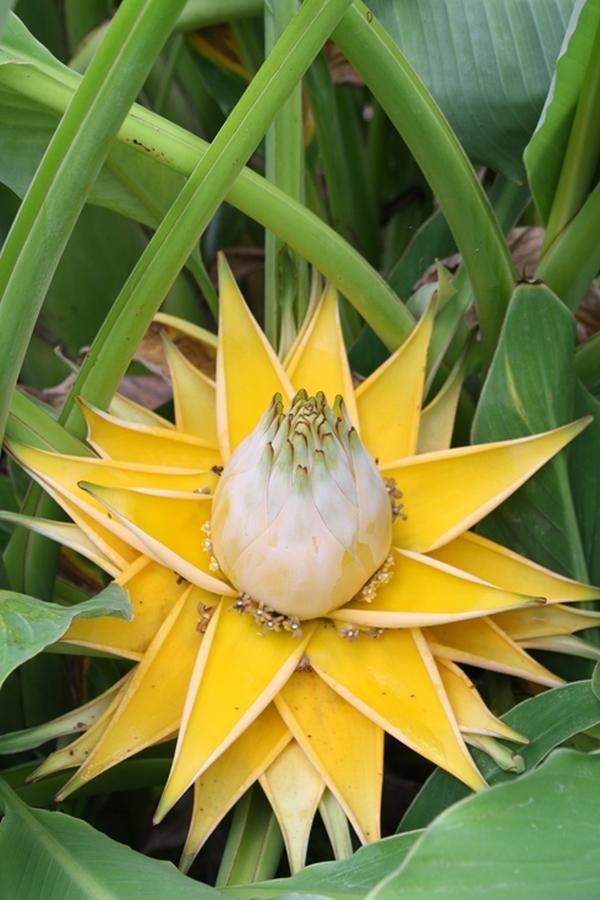
Chinese yellow banana
(Musella lasiocarpa)
Also Known As
Chinese yellow banana, Giant banana, Musella
About This Plant
Musella lasiocarpa is a unique and rare herbaceous perennial plant. It is also known as Chinese dwarf banana and golden lotus banana. It belongs to the Musaceae family and is the only member of its genus. Musella lasiocarpa is native to the Yunnan province of China and is a popular ornamental plant worldwide.
Plant Care Instructions
Outdoor Size Range
24-36 inches (60-90 cm)
Light Requirements
Musella lasiocarpa prefers bright indirect light, but can tolerate some direct sunlight. It is best to place it in a location with morning sun and afternoon shade.
Humidity Needs
Musella lasiocarpa thrives in high humidity environments. It is recommended to mist the leaves regularly or place a humidifier nearby.
Fertilizing Schedule
Fertilize Musella lasiocarpa every 2-3 weeks during the growing season with a balanced fertilizer. It is important to avoid over-fertilizing as this can burn the roots.
Pruning Guidelines
Pruning is not necessary for Musella lasiocarpa. However, dead or damaged leaves can be removed to maintain its appearance.
Common Pests and Diseases
Common pests for Musella lasiocarpa include spider mites and mealybugs. It is important to regularly inspect the plant for signs of infestation and treat it immediately.
Indoor Size Range
12-24 inches (30-60 cm)
Watering Schedule
Watering should be done when the top inch of soil feels dry to the touch. It is important to avoid overwatering as this can lead to root rot. During the winter months, watering can be reduced.
Temperature Range
Musella lasiocarpa prefers warm temperatures between 65-85°F (18-29°C). It is important to avoid exposing it to temperatures below 50°F (10°C).
Growing Season
Musella lasiocarpa grows best during the spring and summer months. It can be grown indoors year-round.
Growing Difficulty Level
Musella lasiocarpa is considered moderately difficult to grow. It requires specific growing conditions and can be sensitive to overwatering and low temperatures.
USDA Hardiness Zones
Musella lasiocarpa is hardy in USDA zones 8-11.
Did You Know?
Musella lasiocarpa is often referred to as a 'living fossil' as it is a primitive species that has remained unchanged for millions of years.