Special Web Offer - Get 50% OFF!
Grab Your Deal Now
PlantSnap
Plant Care
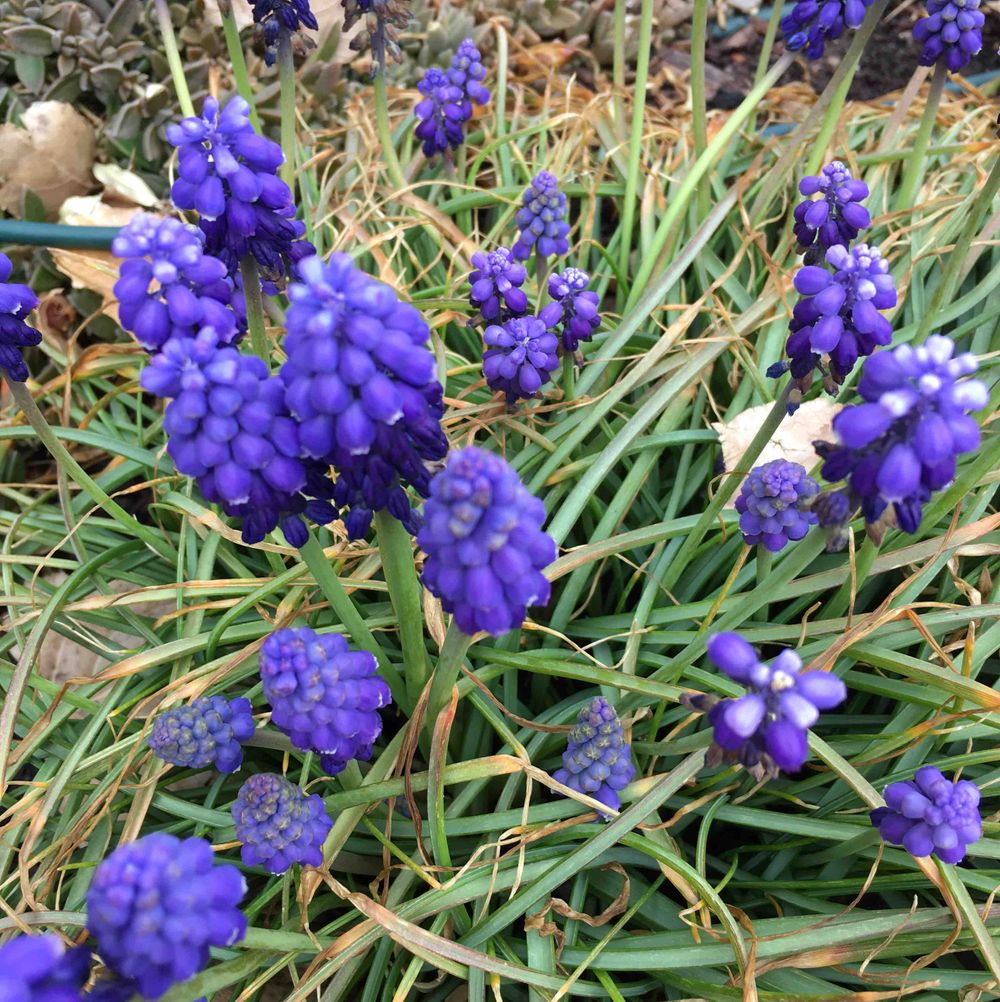
Common grape hyacinth
(Muscari botryoides)
Also Known As
Common grape hyacinth, Grape hyacinth, Bluebell hyacinth, Common muscari
About This Plant
Muscari botryoides is a small, bulbous perennial plant species that belongs to the family Asparagaceae. The plant produces small, bell-shaped flowers that are usually blue, but can also be white or pink. The plant is native to the Mediterranean region and is commonly grown as an ornamental plant.
Plant Care Instructions
Outdoor Size Range
6-12 inches (15-30 cm)
Light Requirements
Grape Hyacinth requires full sun to partial shade. It can tolerate some shade but will produce fewer flowers.
Humidity Needs
Grape Hyacinth does not require high humidity levels and can tolerate dry air.
Fertilizing Schedule
Grape Hyacinth does not require much fertilizer. A balanced fertilizer can be applied once a month during the growing season.
Pruning Guidelines
The plant does not require much pruning. The dead flowers can be removed to encourage more blooms.
Common Pests and Diseases
Grape Hyacinth is not susceptible to many pests or diseases. However, it can be affected by bulb rot if the soil is too wet.
Indoor Size Range
6-8 inches (15-20 cm)
Watering Schedule
The plant prefers well-drained soil and should be watered regularly but not over-watered. The soil should be allowed to dry out slightly between waterings.
Temperature Range
The plant prefers cool temperatures and can tolerate temperatures as low as 20°F (-6°C). It can also tolerate higher temperatures up to 80°F (27°C).
Growing Season
Grape Hyacinth blooms in the spring and goes dormant in the summer. It should be planted in the fall for best results.
Growing Difficulty Level
Grape Hyacinth is an easy plant to grow and is suitable for beginners.
USDA Hardiness Zones
Grape Hyacinth is hardy in USDA zones 4-8.
Did You Know?
The name 'Grape Hyacinth' comes from the shape of the flowers, which resemble small clusters of grapes.
