Special Web Offer - Get 50% OFF!
Grab Your Deal Now
PlantSnap
Plant Care
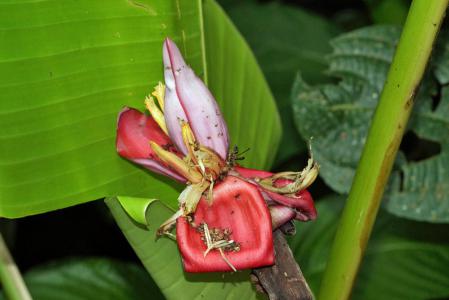
Pink banana
(Musa velutina)
Also Known As
Pink banana, Velvet banana
About This Plant
Musa velutina is a small, ornamental banana plant species native to Northeast India, Myanmar and Yunnan Province in China. It is a fast-growing plant that produces bright pink, fuzzy, and ornamental fruits that are inedible. The leaves are large and green, and the plant can reach up to 6 feet tall in the right conditions.
Plant Care Instructions
Outdoor Size Range
4-6 feet (120-180 cm)
Light Requirements
Musa velutina requires bright, indirect light. It is best to place the plant near a window that receives morning or evening sun, but avoid direct sunlight as it can scorch the leaves.
Humidity Needs
Musa velutina prefers high humidity levels of at least 60%. You can increase humidity by placing the plant on a tray filled with pebbles and water or by using a humidifier.
Fertilizing Schedule
Feed the plant every two weeks during the growing season with a balanced liquid fertilizer. Reduce feeding in the winter.
Pruning Guidelines
Remove any yellow or damaged leaves as they appear. Prune the plant in the spring to remove any dead or damaged stems.
Common Pests and Diseases
Musa velutina is susceptible to spider mites, mealybugs, and scale insects. Regularly inspect the plant for signs of pests and treat with insecticidal soap or neem oil as needed.
Indoor Size Range
2-4 feet (60-120 cm)
Watering Schedule
The plant requires regular watering to keep the soil moist. Water it when the top inch of soil feels dry to the touch. In the winter, reduce watering and allow the soil to dry out slightly before watering again.
Temperature Range
The plant prefers warm temperatures between 68-86°F (20-30°C). It can tolerate slightly cooler temperatures but should be protected from frost.
Growing Season
Musa velutina grows best in the spring and summer when temperatures are warm and days are long. It may go dormant in the winter.
Growing Difficulty Level
Musa velutina is relatively easy to grow as long as it is provided with the right conditions. It requires regular watering, high humidity, and bright, indirect light.
USDA Hardiness Zones
Musa velutina is hardy in USDA zones 9-11.
Did You Know?
The bright pink fruits of the Musa velutina plant are not edible but are used in traditional medicine in India to treat various ailments including dysentery and bronchitis.
