Special Web Offer - Get 50% OFF!
Grab Your Deal Now
PlantSnap
Plant Care
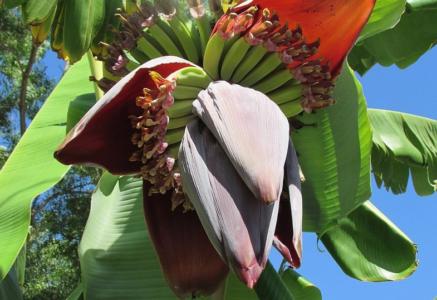
Dwarf cavendish banana
(Musa acuminata)
Also Known As
Dwarf cavendish banana, Cavendish banana, Dessert banana, Sweet banana
About This Plant
Musa acuminata is a species of banana native to Southeast Asia. It is a perennial herbaceous plant that grows from an underground rhizome. The plant can reach up to 20 feet in height and has large, broad leaves that can grow up to 9 feet long and 2 feet wide. The plant produces large, curved, yellow fruits that are commonly referred to as bananas.
Plant Care Instructions
Outdoor Size Range
10-20 feet (305-610 cm)
Light Requirements
Bananas require full sun to partial shade. They prefer bright, indirect light when grown indoors.
Humidity Needs
Bananas require high humidity levels, between 50-80%. Mist the leaves regularly to increase humidity levels. Placing a tray of water near the plant can also help increase humidity levels.
Fertilizing Schedule
Bananas require frequent fertilization to support their rapid growth. Use a balanced fertilizer with equal parts nitrogen, phosphorus, and potassium. Fertilize every 2-3 weeks during the growing season.
Pruning Guidelines
Prune away any dead or damaged leaves as needed. Remove the entire stem after the plant has produced fruit. This will encourage new growth and fruit production.
Common Pests and Diseases
Common pests include spider mites, aphids, and mealybugs. Diseases such as Panama disease and black sigatoka can also affect banana plants.
Indoor Size Range
3-8 feet (91-244 cm)
Watering Schedule
Bananas require frequent watering to keep the soil consistently moist. Allow the top inch of soil to dry out before watering again. Increase watering during the growing season.
Temperature Range
Bananas prefer warm temperatures between 75-85°F (24-29°C). They can tolerate temperatures as low as 60°F (16°C) but growth will be slowed.
Growing Season
Year-round in tropical climates. In temperate climates, bananas can be grown outdoors during the summer months.
Growing Difficulty Level
Moderate
USDA Hardiness Zones
9-11
Did You Know?
The banana plant is not a tree, but a giant herb. It is the largest herbaceous flowering plant in the world.
