Special Web Offer - Get 50% OFF!
Grab Your Deal Now
PlantSnap
Plant Care
Sandstone boronia
(Muniria angustisepala)
Also Known As
Sandstone boronia, Muniria, Narrow-sepaled muniria
About This Plant
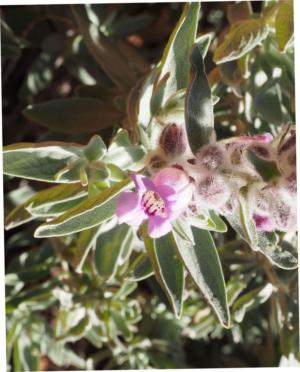
Muniria angustisepala is a species of flowering plant in the family Melastomataceae. It is a small shrub that can grow up to 1 meter tall. The leaves are elliptic to oblong-elliptic, with a length of 6-10 cm and a width of 2-4 cm. The flowers are pink and have a diameter of 1 cm. The fruit is a capsule that contains many small seeds.
Plant Care Instructions
Outdoor Size Range
Height: 0.5-1 meter (1.6-3.3 feet)
Light Requirements
Muniria angustisepala prefers partial shade to full sun. It can tolerate direct sunlight but needs protection from the hottest hours of the day.
Humidity Needs
Muniria angustisepala prefers high humidity levels. You can increase humidity by misting the leaves or placing a tray with water near the plant.
Fertilizing Schedule
Fertilize the plant every 2-3 months with a balanced fertilizer. Reduce fertilization frequency in winter.
Pruning Guidelines
Prune the plant after flowering to promote bushier growth. Remove dead or damaged branches and shape the plant as desired.
Common Pests and Diseases
Muniria angustisepala is not known to be affected by any specific pests or diseases.
Indoor Size Range
Not suitable for indoor cultivation
Watering Schedule
Water the plant regularly, keeping the soil moist but not waterlogged. Reduce watering frequency in winter.
Temperature Range
Muniria angustisepala prefers warm temperatures between 18-25°C (64-77°F). It can tolerate temperatures as low as 10°C (50°F) but not frost.
Growing Season
Muniria angustisepala can be grown year-round in tropical climates. In temperate climates, it can be grown outdoors in spring and summer.
Growing Difficulty Level
Muniria angustisepala is moderately difficult to grow.
USDA Hardiness Zones
Muniria angustisepala is not rated for USDA hardiness zones.
Did You Know?
Muniria angustisepala was discovered in 2014 in the Atlantic Forest of Brazil. It is named after the Brazilian botanist João Semir, whose middle name is Munir.