Special Web Offer - Get 50% OFF!
Grab Your Deal Now
PlantSnap
Plant Care
String of beads
(Monilaria chrysoleuca)
Also Known As
String of beads, Golden monilaria, Chrysoleuca
About This Plant
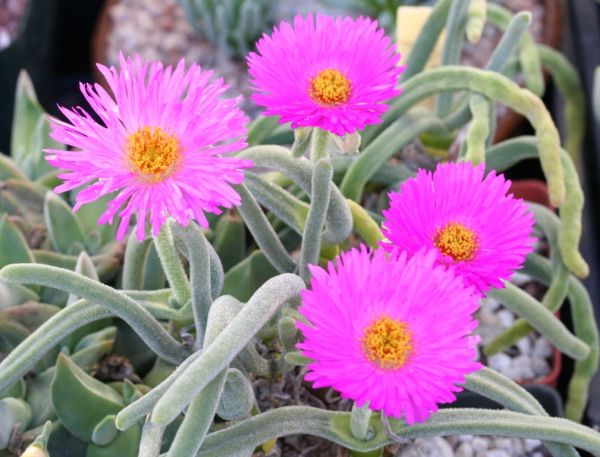
Monilaria chrysoleuca is a succulent plant species native to Madagascar. It belongs to the family Aizoaceae and is a part of the Mesembryanthemoideae subfamily. The plant is characterized by its small, round, and flattened leaves, which resemble a rabbit's head. The leaves are green in color and turn red in bright light.
Plant Care Instructions
Outdoor Size Range
N/A
Light Requirements
Monilaria chrysoleuca prefers bright indirect light. It can tolerate some direct sunlight, but too much can scorch its leaves.
Humidity Needs
This plant does not require high humidity levels and can tolerate dry air.
Fertilizing Schedule
Fertilize the plant once a month during the growing season with a balanced fertilizer. Do not fertilize during the winter months.
Pruning Guidelines
Prune the plant sparingly to remove any dead leaves or stems. The plant does not require extensive pruning.
Common Pests and Diseases
Common pests for Monilaria chrysoleuca include mealybugs and spider mites. Use insecticidal soap to remove these pests.
Indoor Size Range
2-4 inches (5-10 cm)
Watering Schedule
Water the plant sparingly, only when the soil is completely dry. Overwatering can cause root rot.
Temperature Range
Monilaria chrysoleuca prefers warm temperatures between 60-80°F (16-27°C). It cannot tolerate cold temperatures below 50°F (10°C).
Growing Season
The growing season for Monilaria chrysoleuca is from spring to fall.
Growing Difficulty Level
Monilaria chrysoleuca is a relatively easy plant to grow and maintain, making it a great choice for beginners.
USDA Hardiness Zones
Monilaria chrysoleuca is not cold hardy and should be kept indoors or in a warm greenhouse. It is not assigned a USDA hardiness zone.
Did You Know?
Monilaria chrysoleuca is commonly referred to as the Bunny Succulent due to its unique leaf shape, which resembles a rabbit's head.