Special Web Offer - Get 50% OFF!
Grab Your Deal Now
PlantSnap
Plant Care
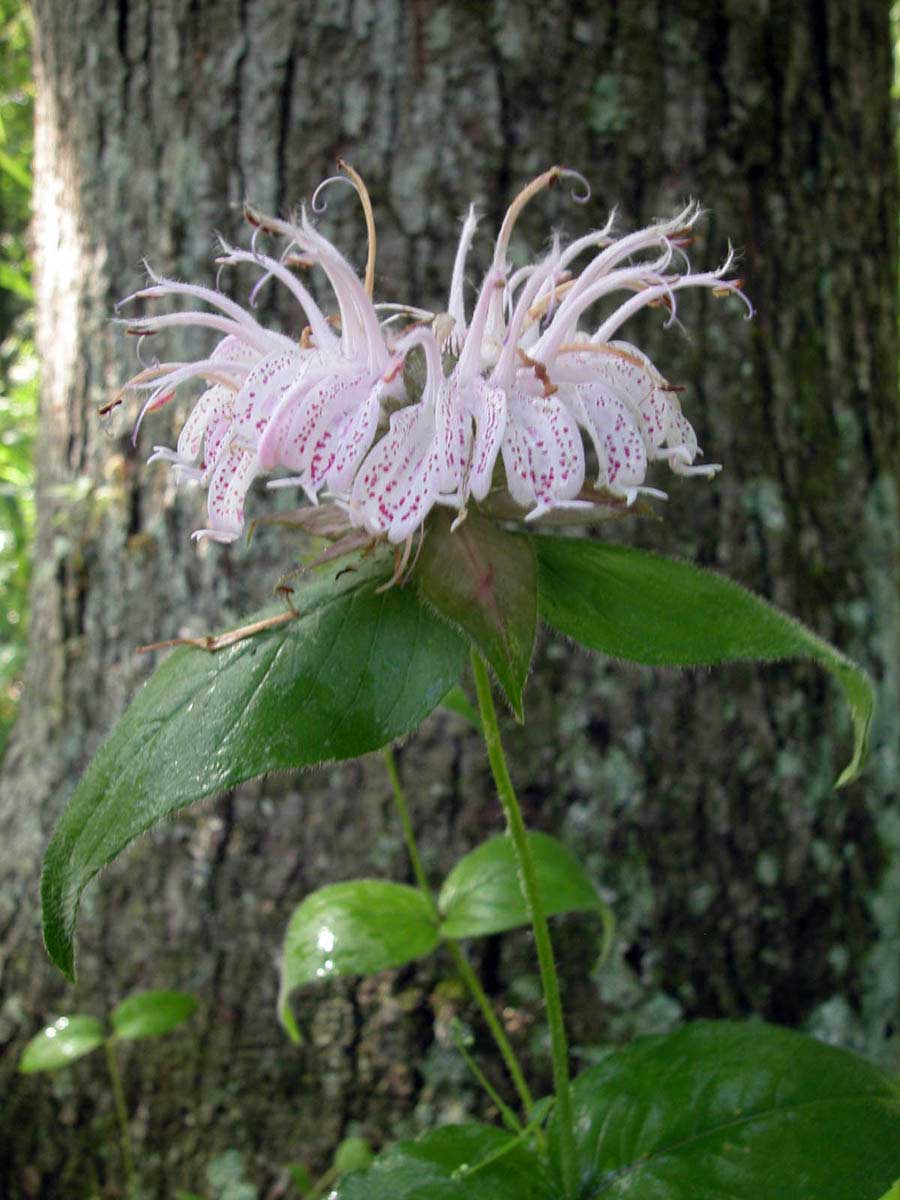
Eastern bee balm
(Monarda bradburiana)
Also Known As
Eastern bee balm, Bradbury's bee balm, Bradbury monarda
About This Plant
Monarda bradburiana is a species of flowering plant in the mint family, Lamiaceae. It is native to the central United States, where it can be found in prairies and rocky woods. The plant has a square stem and lance-shaped leaves that are aromatic when crushed. It produces clusters of pink or lavender tubular flowers in mid-spring to early summer.
Plant Care Instructions
Outdoor Size Range
24-36 inches (60-90 cm)
Light Requirements
Monarda bradburiana prefers full sun to partial shade. It can tolerate some shade, but too much shade can cause the plant to become leggy and prone to disease.
Humidity Needs
Monarda bradburiana prefers moderate to high humidity levels. It can benefit from occasional misting during dry periods.
Fertilizing Schedule
The plant does not require heavy fertilization. A light application of balanced fertilizer in the spring can help promote growth and flowering.
Pruning Guidelines
Monarda bradburiana can be pruned in the spring to promote bushier growth. Deadheading spent flowers can also encourage more blooms.
Common Pests and Diseases
The plant is relatively pest-free, but it can be susceptible to powdery mildew in humid conditions.
Indoor Size Range
12-24 inches (30-60 cm)
Watering Schedule
The plant prefers moist, well-drained soil. It should be watered regularly, especially during dry spells. However, it is important not to overwater the plant, as this can lead to root rot.
Temperature Range
The plant is hardy in USDA zones 4-8 and can tolerate a wide range of temperatures. It can withstand temperatures as low as -30°F (-34°C) and as high as 100°F (38°C).
Growing Season
The plant blooms from mid-spring to early summer.
Growing Difficulty Level
Monarda bradburiana is relatively easy to grow and maintain, making it a good choice for novice gardeners.
USDA Hardiness Zones
4-8
Did You Know?
The leaves of Monarda bradburiana can be used to make a tea that is said to have medicinal properties. It has been used by Native Americans to treat colds, flu, and other ailments.