Special Web Offer - Get 50% OFF!
Grab Your Deal Now
PlantSnap
Plant Care
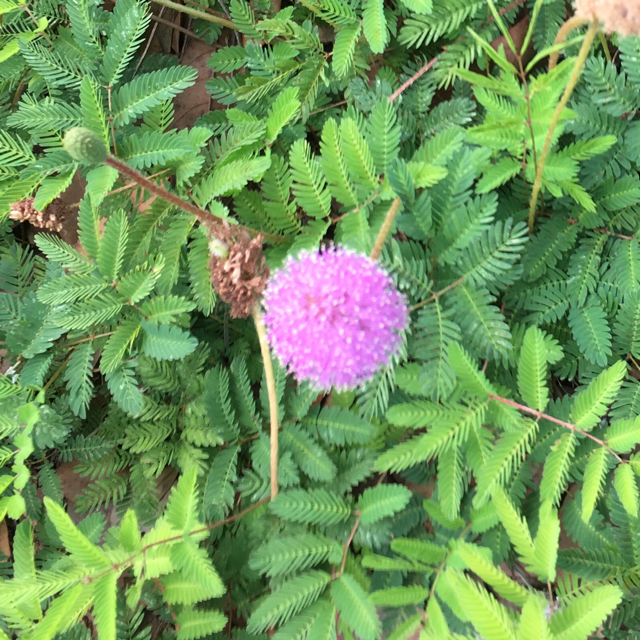
Sensitive plant
(Mimosa pudica)
Also Known As
Sensitive plant, Touch-me-not, Shameplant, Sleepy plant
About This Plant
Mimosa pudica is a creeping annual or perennial herb that is known for its unique response to touch or vibration, as its leaves fold inward and droop when touched or shaken.
Plant Care Instructions
Outdoor Size Range
1-2 feet (30-60 cm)
Light Requirements
Mimosa pudica prefers bright, indirect light. It can tolerate some direct sunlight, but too much can cause leaf burn.
Humidity Needs
Mimosa pudica prefers high humidity levels, around 60-70%. It can benefit from regular misting or placing a humidifier nearby.
Fertilizing Schedule
Fertilize Mimosa pudica every 2-4 weeks during the growing season with a balanced, water-soluble fertilizer.
Pruning Guidelines
Prune as needed to control the plant's size and shape. Deadheading spent flowers can also promote more blooms.
Common Pests and Diseases
Common pests for Mimosa pudica include spider mites and whiteflies. It can also be susceptible to fungal diseases.
Indoor Size Range
6-12 inches (15-30 cm)
Watering Schedule
Water the plant when the top inch of soil is dry. Avoid overwatering as it can lead to root rot.
Temperature Range
Mimosa pudica prefers warm temperatures between 60-85°F (16-29°C). It is sensitive to cold temperatures and should be kept away from drafts.
Growing Season
Mimosa pudica can be grown year-round as an indoor plant, but it is typically grown as an annual outdoors in the summer.
Growing Difficulty Level
Mimosa pudica is relatively easy to grow, but its sensitivity to cold temperatures and overwatering can make it slightly more challenging for beginners.
USDA Hardiness Zones
Mimosa pudica is not frost-tolerant and is typically grown as an annual in USDA hardiness zones 9-11.
Did You Know?
Mimosa pudica is also known as the 'shy plant' or 'touch-me-not' due to its unique response to touch or vibration.
