Special Web Offer - Get 50% OFF!
Grab Your Deal Now
PlantSnap
Plant Care
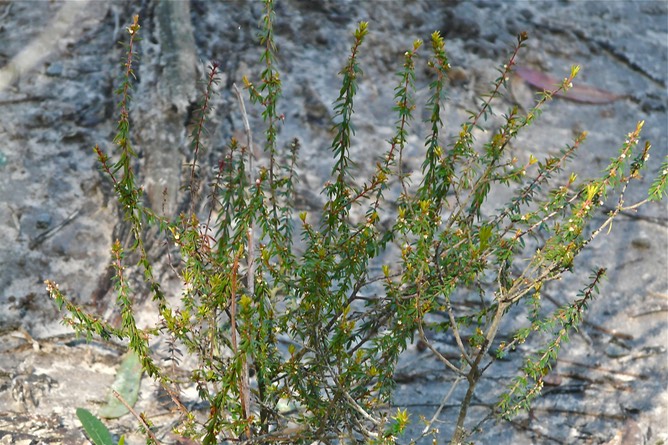
Heath micrantheum
(Micrantheum ericoides)
Also Known As
Heath micrantheum, Heather micrantheum, Small-leaved micrantheum
About This Plant
Micrantheum ericoides is a species of flowering plant in the family Melastomataceae. It is a small, evergreen shrub that is native to the rainforests of South America. The plant has small, delicate leaves and produces small, pink flowers that bloom in the summer.
Plant Care Instructions
Outdoor Size Range
12-24 inches (30-60 cm)
Light Requirements
Micrantheum ericoides prefers bright, indirect light, but can tolerate some shade. Direct sunlight can scorch the leaves.
Humidity Needs
This plant prefers high humidity levels, ideally around 60-70%. You can increase humidity by placing a tray of water near the plant or using a humidifier.
Fertilizing Schedule
Fertilize the plant every 2-4 weeks during the growing season with a balanced, water-soluble fertilizer.
Pruning Guidelines
Prune the plant in the spring to promote bushier growth and remove any dead or damaged branches.
Common Pests and Diseases
Common pests for Micrantheum ericoides include spider mites and mealybugs. Diseases are not typically a problem for this plant.
Indoor Size Range
6-12 inches (15-30 cm)
Watering Schedule
Water the plant when the top inch of soil is dry to the touch. Avoid overwatering, as this can lead to root rot.
Temperature Range
Micrantheum ericoides prefers temperatures between 60-75°F (16-24°C). It is important to avoid sudden temperature changes.
Growing Season
The growing season for Micrantheum ericoides is from spring to fall.
Growing Difficulty Level
Micrantheum ericoides is considered moderately difficult to grow, as it requires specific growing conditions to thrive.
USDA Hardiness Zones
Micrantheum ericoides is not cold hardy and is best grown indoors or in a greenhouse.
Did You Know?
Micrantheum ericoides is sometimes called the 'fairy wand' plant because of the delicate, wand-like appearance of its stems and leaves.