Special Web Offer - Get 50% OFF!
Grab Your Deal Now
PlantSnap
Plant Care
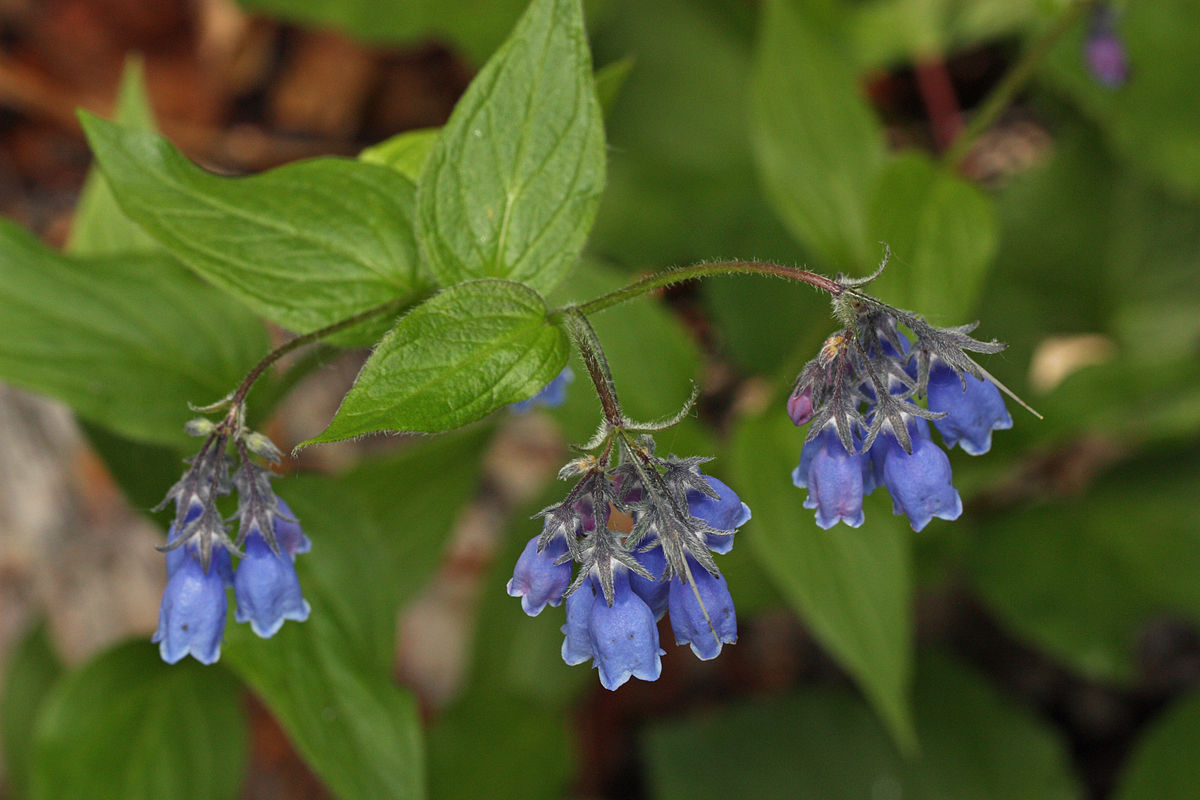
Tall bluebells
(Mertensia paniculata alaskana)
Also Known As
Tall bluebells, Alaskan bluebell, Northern bluebell
About This Plant
Mertensia paniculata alaskana is a perennial herbaceous plant that belongs to the Boraginaceae family. It has a basal rosette of leaves and produces clusters of small, bell-shaped blue flowers. The plant can grow up to 1.5 feet (45 cm) tall and 1 foot (30 cm) wide.
Plant Care Instructions
Outdoor Size Range
Height: 1.5 feet (45 cm). Width: 1 foot (30 cm).
Light Requirements
Mertensia paniculata alaskana prefers partial shade to full shade. It can tolerate some direct sunlight in the morning or evening, but direct sunlight during the hottest part of the day can damage the plant.
Humidity Needs
Mertensia paniculata alaskana does not have specific humidity requirements, but it can benefit from occasional misting during hot and dry weather.
Fertilizing Schedule
Fertilize the plant in the spring with a balanced, slow-release fertilizer. Avoid over-fertilizing as it can promote excessive foliage growth at the expense of flower production.
Pruning Guidelines
Deadhead the spent flowers to promote continuous blooming. Cut back the plant after blooming to encourage new growth and prevent self-seeding.
Common Pests and Diseases
Mertensia paniculata alaskana is generally not susceptible to pests or diseases. However, it can be affected by slugs and snails, which can damage the leaves and flowers.
Indoor Size Range
Not suitable for indoor growth.
Watering Schedule
The plant prefers moist, well-drained soil. Water the plant regularly to keep the soil evenly moist, but not waterlogged. Reduce watering in the fall to prepare the plant for winter dormancy.
Temperature Range
The plant can tolerate a wide range of temperatures, from -40°F (-40°C) to 70°F (21°C). It prefers cool temperatures and can go dormant during hot summers.
Growing Season
Mertensia paniculata alaskana blooms in late spring to early summer and goes dormant in the fall. It is a cold-hardy plant that can survive harsh winters.
Growing Difficulty Level
Mertensia paniculata alaskana is a relatively easy plant to grow, as long as it is provided with the right growing conditions.
USDA Hardiness Zones
Mertensia paniculata alaskana can grow in USDA hardiness zones 2 to 7.
Did You Know?
Mertensia paniculata alaskana is an important food source for bumblebees and hummingbirds, which are attracted to its bright blue flowers.