Special Web Offer - Get 50% OFF!
Grab Your Deal Now
PlantSnap
Plant Care
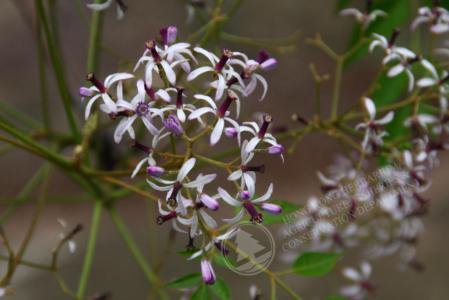
Chinaberry
(Melia azadarach)
Also Known As
Chinaberry, Pride of india, Melia, Indian bead tree
About This Plant
Melia azadarach is a deciduous tree that belongs to the Meliaceae family. It is commonly known as the Persian lilac or chinaberry tree. The tree is native to the Indian subcontinent and adjacent areas of Southeast Asia.
Plant Care Instructions
Outdoor Size Range
30-50 feet (9-15 meters) tall and 20-30 feet (6-9 meters) wide
Light Requirements
Melia azedarach requires full sun to partial shade, with at least 4-6 hours of direct sunlight per day.
Humidity Needs
Melia azedarach can tolerate a wide range of humidity levels, but it prefers moderate to high humidity.
Fertilizing Schedule
The tree does not require frequent fertilization. However, a balanced fertilizer can be applied once a year in the spring to promote growth.
Pruning Guidelines
Pruning should be done in the late winter or early spring, before new growth begins. The tree can be pruned to maintain its shape and remove any dead or damaged branches.
Common Pests and Diseases
Melia azedarach is relatively pest-free. However, it can be affected by scale insects, mealybugs, and spider mites.
Indoor Size Range
Not suitable for indoor growth
Watering Schedule
The tree is drought-tolerant and can survive long periods without water once established. However, regular watering is necessary during the first few years of growth.
Temperature Range
The tree can tolerate a wide range of temperatures, from -10°C to 50°C (14°F to 122°F). However, it prefers warm temperatures and can suffer frost damage in colder climates.
Growing Season
The tree can be planted in the spring or fall, but it grows best in warm weather.
Growing Difficulty Level
Melia azedarach is easy to grow, as it is drought-tolerant and can survive in a wide range of temperatures and humidity levels.
USDA Hardiness Zones
Melia azedarach can be grown in USDA hardiness zones 8 to 11.
Did You Know?
The chinaberry tree has been used in traditional medicine for centuries. Its leaves, bark, and fruit are believed to have various medicinal properties, including antimalarial, antifungal, and antitumor effects.
