Special Web Offer - Get 50% OFF!
Grab Your Deal Now
PlantSnap
Plant Care
Alfalfa
(Medicago sativa)
Also Known As
Alfalfa, Lucerne
About This Plant
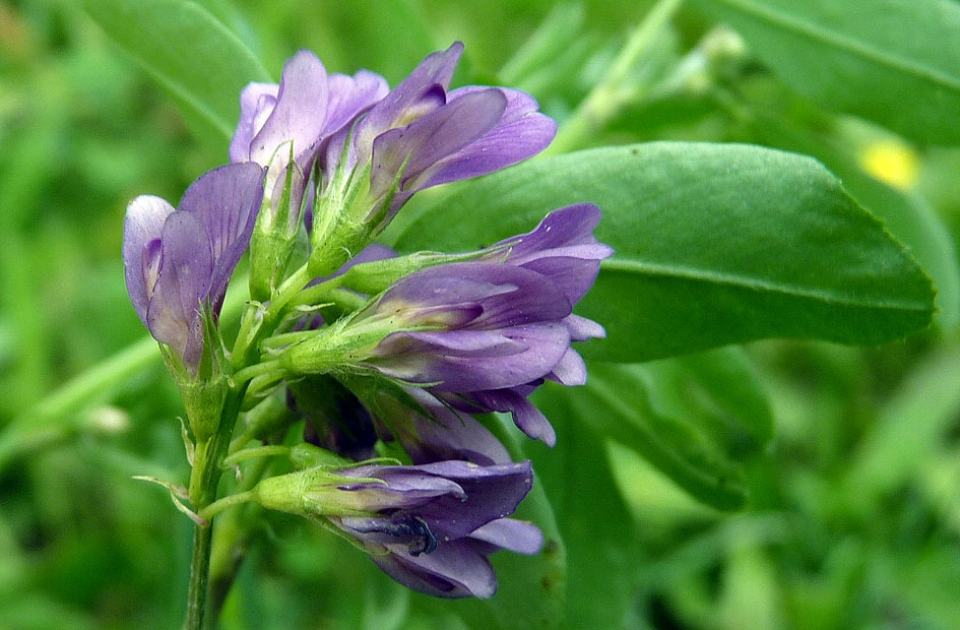
Medicago sativa, also known as Alfalfa, is a perennial flowering plant with small purple or blue flowers. It is a member of the legume family and is commonly grown as a forage crop.
Plant Care Instructions
Outdoor Size Range
Height: 1-3 feet (30-91 cm), Spread: 1-2 feet (30-61 cm)
Light Requirements
Alfalfa requires full sun to grow properly. It needs at least 6 hours of direct sunlight per day.
Humidity Needs
Alfalfa does not have any specific humidity requirements.
Fertilizing Schedule
Alfalfa requires a lot of nutrients to grow properly. It is recommended to use a balanced fertilizer with equal amounts of nitrogen, phosphorus, and potassium. Fertilization should be done in the spring and fall.
Pruning Guidelines
Alfalfa does not require pruning, but it is important to mow it regularly to prevent it from becoming too tall and woody.
Common Pests and Diseases
Common pests for Alfalfa include aphids, spider mites, and weevils. Diseases that affect Alfalfa include root rot and bacterial wilt.
Indoor Size Range
Not suitable for indoor growth
Watering Schedule
Alfalfa is drought-tolerant and does not require frequent watering. It is important to avoid overwatering, as this can lead to root rot. Watering should be done deeply and infrequently.
Temperature Range
Alfalfa grows best in temperatures between 60-85°F (15-29°C). It can tolerate extreme heat and cold, but growth may be stunted.
Growing Season
Alfalfa is typically grown from spring to fall, but it can be grown year-round in warmer climates.
Growing Difficulty Level
Alfalfa is relatively easy to grow, but it requires specific soil and nutrient conditions to thrive.
USDA Hardiness Zones
Alfalfa is hardy in USDA zones 2-11.
Did You Know?
Alfalfa has a deep root system that can reach up to 60 feet (18 meters) underground, making it an excellent plant for soil erosion control.
