Special Web Offer - Get 50% OFF!
Grab Your Deal Now
PlantSnap
Plant Care
German chamomile
(Matricaria chamomilla)
Also Known As
German chamomile, Chamomile, Blue chamomile, Wild chamomile
About This Plant
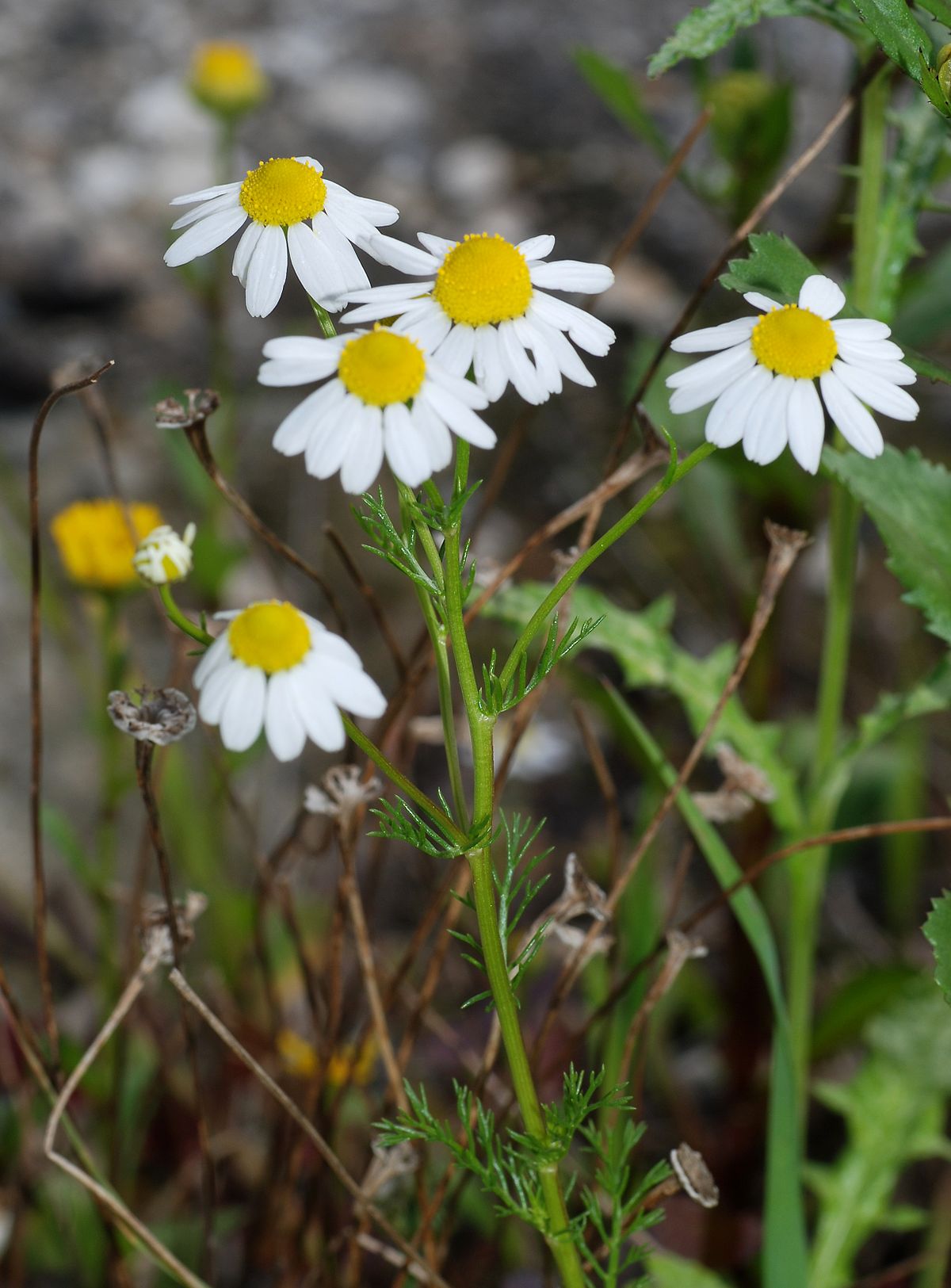
Matricaria chamomilla, also known as German chamomile, is an annual plant species in the Asteraceae family. The plant has a branching stem that grows up to 60 cm (23.6 inches) tall and produces small, daisy-like flowers with white petals and yellow centers. The flowers have a sweet, apple-like scent and are commonly used to make tea and essential oils.
Plant Care Instructions
Outdoor Size Range
Height: 12-24 inches (30-60 cm), Spread: 6-12 inches (15-30 cm)
Light Requirements
German chamomile prefers full sun to partial shade, at least 6 hours of direct sunlight per day is ideal.
Humidity Needs
German chamomile thrives in average humidity levels, around 40-60%.
Fertilizing Schedule
The plant does not require much fertilizer, a balanced liquid fertilizer can be applied once a month during the growing season.
Pruning Guidelines
Deadheading spent flowers can encourage new growth and prolong the blooming period.
Common Pests and Diseases
Common pests for German chamomile include aphids, spider mites, and whiteflies. Diseases that can affect the plant include powdery mildew and damping-off.
Indoor Size Range
Not suitable for indoor cultivation
Watering Schedule
The plant requires moderate watering, the soil should be kept moist but not waterlogged. Allow the top inch of soil to dry out before watering again.
Temperature Range
The plant prefers cool to mild temperatures between 60-68°F (15-20°C), but can tolerate temperatures as low as 50°F (10°C) and as high as 90°F (32°C).
Growing Season
The growing season for German chamomile is from spring to fall.
Growing Difficulty Level
German chamomile is relatively easy to grow, making it a great choice for beginner gardeners.
USDA Hardiness Zones
German chamomile is hardy in USDA zones 3-9.
Did You Know?
German chamomile has been used for centuries in traditional medicine to treat a variety of ailments, including anxiety, insomnia, and digestive issues.
