Special Web Offer - Get 50% OFF!
Grab Your Deal Now
PlantSnap
Plant Care
Zarcilla
(Martinella obovata)
Also Known As
Zarcilla, Obovate martinella, Marsh martinella, Obovate flowering plant
About This Plant
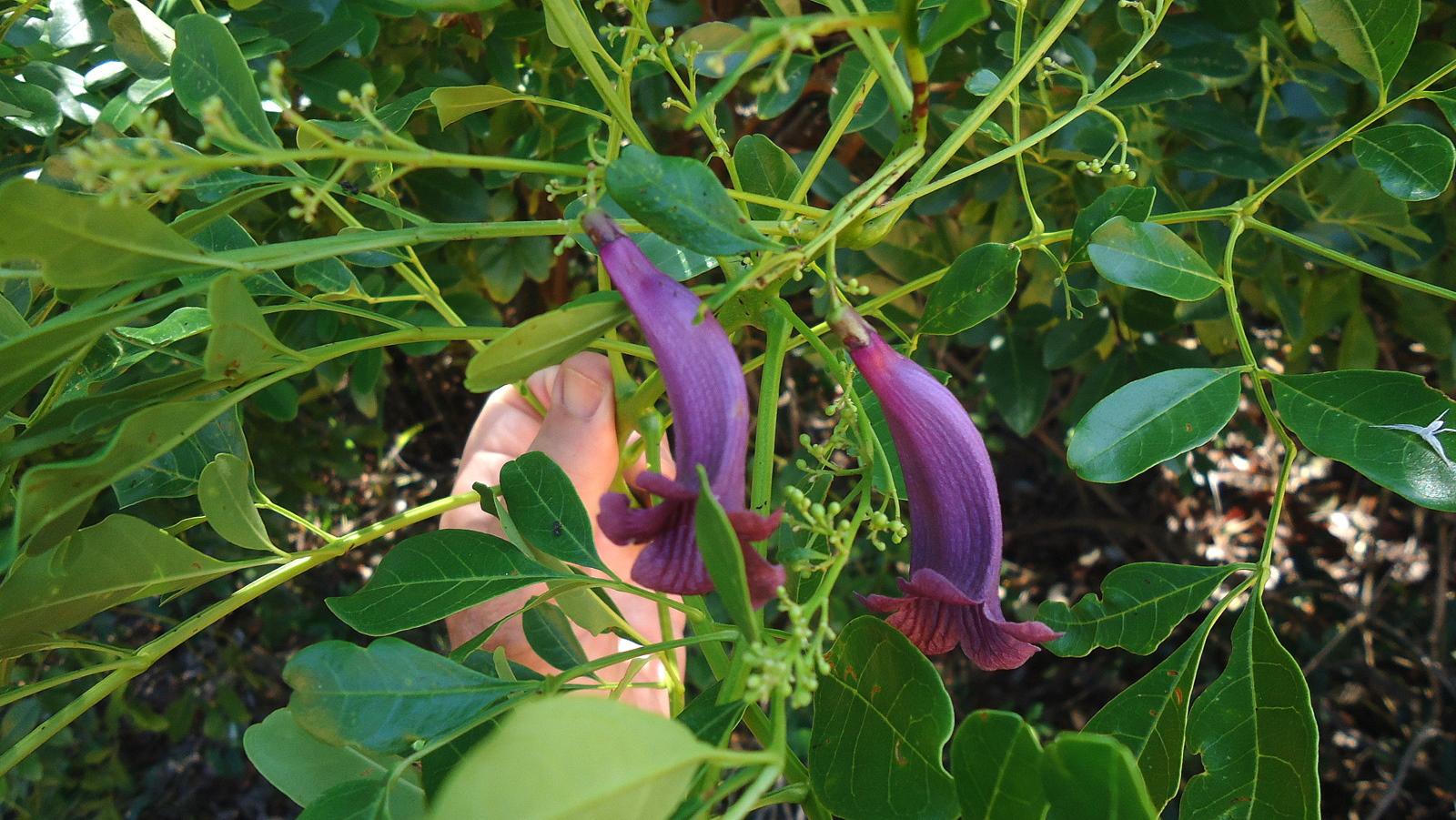
Martinella obovata is a flowering plant species that belongs to the family Bignoniaceae. It is native to South America and is commonly known as the 'Bellflower Vine'. The plant produces clusters of trumpet-shaped flowers that are usually pink, lavender or white in color.
Plant Care Instructions
Outdoor Size Range
Up to 20 feet (6 meters)
Light Requirements
The Bellflower Vine requires bright, indirect light to thrive. It can tolerate some shade, but too much shade can cause it to grow weak and leggy.
Humidity Needs
The Bellflower Vine prefers high humidity levels, ideally between 50-70%. You can increase humidity by misting the plant regularly or placing a humidifier nearby.
Fertilizing Schedule
Fertilize the Bellflower Vine every two weeks during the growing season with a balanced, water-soluble fertilizer. Reduce fertilization during the winter months.
Pruning Guidelines
Prune the plant in the spring to control its size and shape. Remove any dead or damaged growth and cut back any leggy stems.
Common Pests and Diseases
The Bellflower Vine is susceptible to spider mites, mealybugs, and scale insects. Regularly inspect the plant for signs of infestation and treat with insecticidal soap or neem oil.
Indoor Size Range
8-10 inches (20-25 cm)
Watering Schedule
The plant prefers consistently moist soil, but not waterlogged. Water the plant when the top inch of soil feels dry to the touch.
Temperature Range
The plant prefers temperatures between 60-75°F (15-24°C). It can tolerate slightly cooler temperatures but should be kept away from cold drafts.
Growing Season
The Bellflower Vine grows best during the spring and summer months, but can also grow during the fall and winter with proper care.
Growing Difficulty Level
The Bellflower Vine is moderately difficult to grow, as it requires high humidity levels and consistent watering. However, with proper care, it can thrive both indoors and outdoors.
USDA Hardiness Zones
The Bellflower Vine is not frost-tolerant and grows best in USDA hardiness zones 9-11.
Did You Know?
The Bellflower Vine is also known as the 'Cup and Saucer Vine' due to the shape of its flowers.