Special Web Offer - Get 50% OFF!
Grab Your Deal Now
PlantSnap
Plant Care
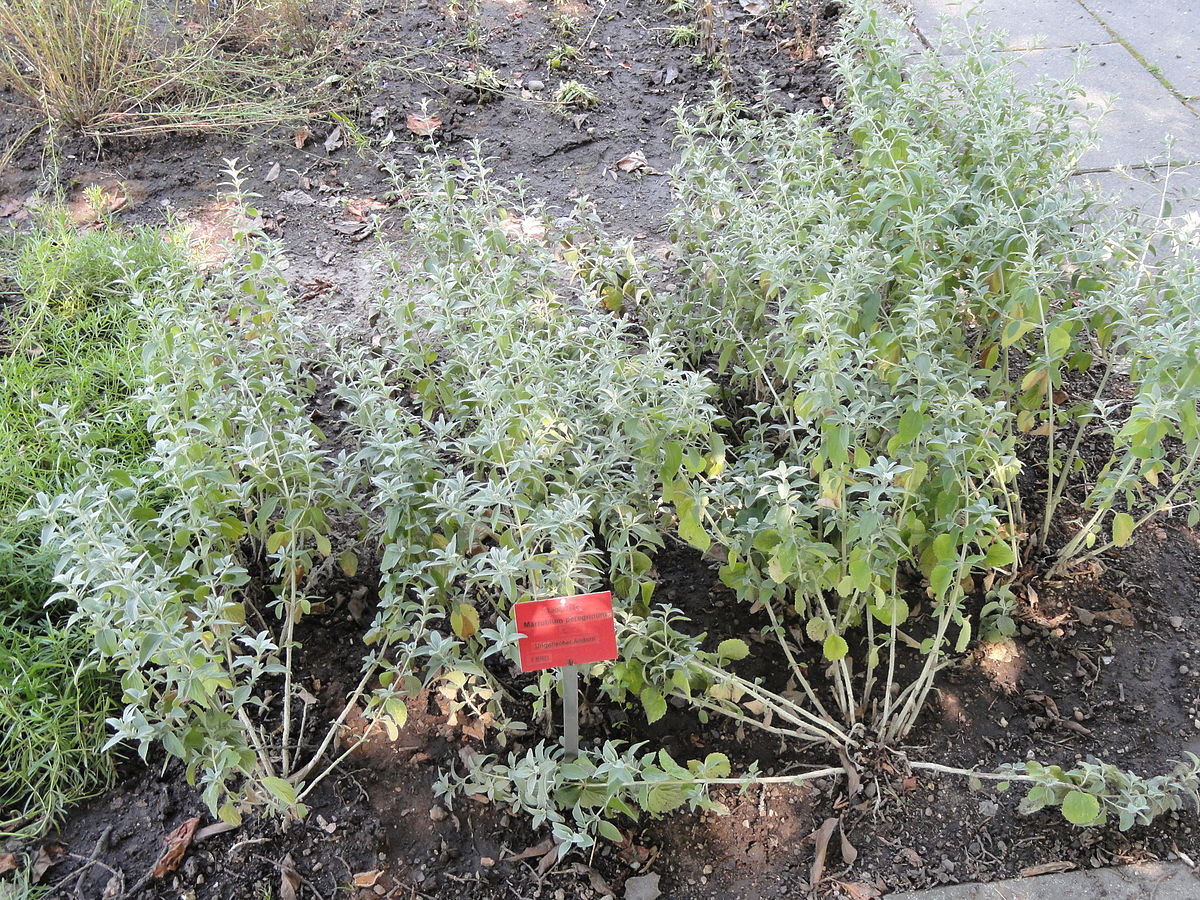
Eastern horehound
(Marrubium peregrinum)
Also Known As
Eastern horehound, White horehound, Wild horehound, Common horehound
About This Plant
Marrubium peregrinum is a perennial herbaceous plant that belongs to the mint family. It has a woody stem and grey-green leaves with a velvety texture. The plant produces small, white or pale pink flowers that bloom in clusters during the summer months.
Plant Care Instructions
Outdoor Size Range
12-24 inches (30-60 cm)
Light Requirements
Horehound requires full sun to partial shade. It can tolerate a wide range of light conditions, but too much shade can lead to leggy growth.
Humidity Needs
Horehound does not have any specific humidity requirements and can tolerate a wide range of humidity levels.
Fertilizing Schedule
Horehound does not require much fertilizer. A light application of balanced fertilizer in the spring is sufficient.
Pruning Guidelines
Prune back the plant in the spring to encourage bushy growth and remove any dead or damaged stems.
Common Pests and Diseases
Horehound is generally pest-free, but can be susceptible to spider mites and whiteflies.
Indoor Size Range
8-12 inches (20-30 cm)
Watering Schedule
Horehound prefers well-draining soil and does not like to be overwatered. Water when the top inch of soil is dry to the touch.
Temperature Range
Horehound can tolerate a wide range of temperatures and is hardy in USDA zones 4-9.
Growing Season
Horehound can be grown year-round in USDA zones 8-9, but is typically grown as an annual in cooler climates.
Growing Difficulty Level
Horehound is relatively easy to grow and is a good choice for beginner gardeners.
USDA Hardiness Zones
4-9
Did You Know?
Horehound has been used for centuries as a medicinal herb to treat coughs, colds, and other respiratory ailments.