Special Web Offer - Get 50% OFF!
Grab Your Deal Now
PlantSnap
Plant Care
Brazilian jasmine
(Mandevilla hypoleuca)
Also Known As
Brazilian jasmine, White mandevilla, Tropical mandevilla
About This Plant
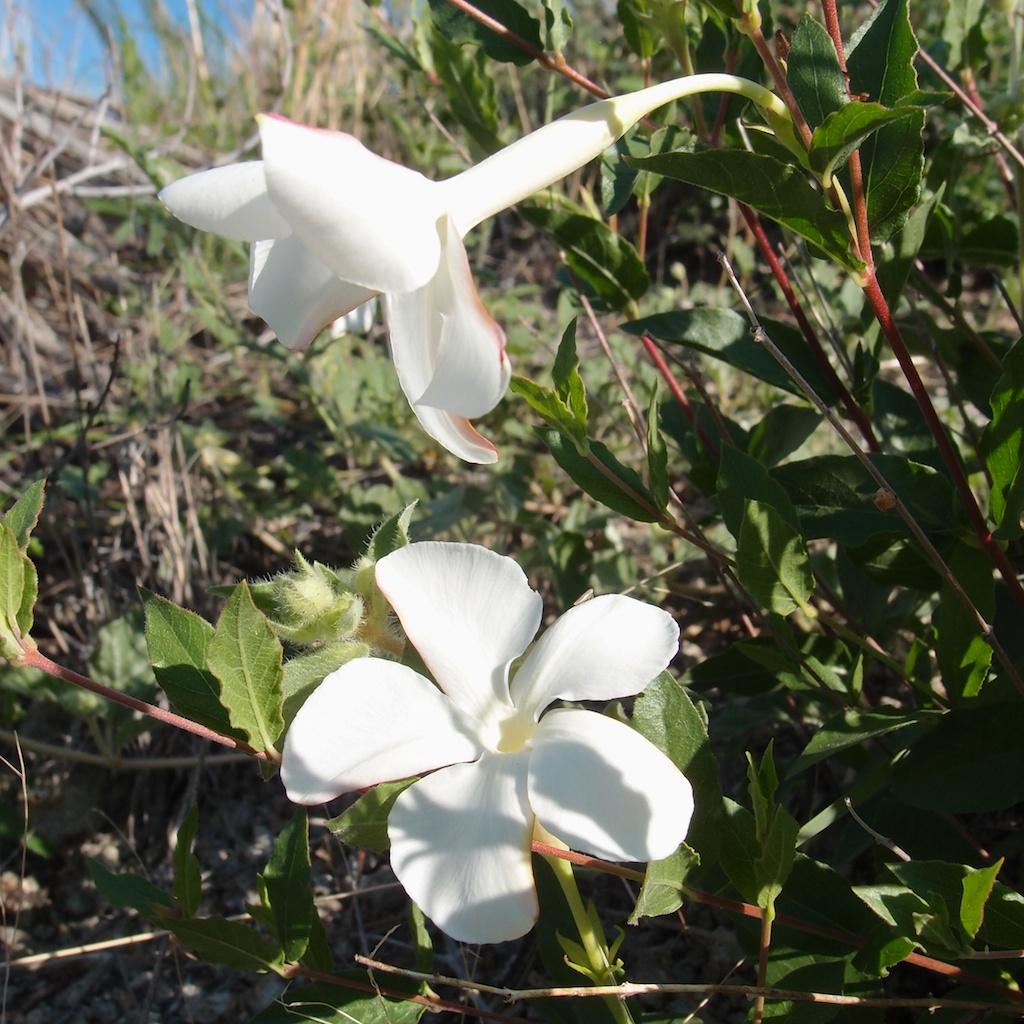
Mandevilla hypoleuca is a species of flowering plant in the family Apocynaceae. It is a woody vine that can grow up to 10 feet (3 meters) tall. The leaves are oblong and glossy green. The flowers are trumpet-shaped and can be white or pink with a yellow throat.
Plant Care Instructions
Outdoor Size Range
10-12 feet (3-3.7 meters)
Light Requirements
Mandevilla hypoleuca prefers full sun to partial shade. It needs at least 6 hours of direct sunlight per day.
Humidity Needs
Mandevilla hypoleuca prefers moderate to high humidity levels. Mist the leaves regularly or place a tray of water near the plant to increase humidity.
Fertilizing Schedule
Fertilize the plant every 2 weeks during the growing season with a balanced fertilizer. Reduce fertilization during the winter months.
Pruning Guidelines
Prune the plant in the spring to control its size and shape. Remove any dead or damaged branches.
Common Pests and Diseases
Common pests for Mandevilla hypoleuca include spider mites, mealybugs, and scale insects. Diseases include root rot and powdery mildew.
Indoor Size Range
3-6 feet (91-183 cm)
Watering Schedule
Water the plant when the top inch of soil is dry to the touch. Do not overwater as it can cause root rot.
Temperature Range
Mandevilla hypoleuca prefers warm temperatures between 60-80°F (15-27°C). It cannot tolerate frost.
Growing Season
Mandevilla hypoleuca grows best in the spring and summer. It may go dormant in the winter.
Growing Difficulty Level
Mandevilla hypoleuca is moderately difficult to grow. It requires specific light, temperature, and humidity conditions to thrive.
USDA Hardiness Zones
Mandevilla hypoleuca is hardy in USDA zones 9-11.
Did You Know?
In its native range, Mandevilla hypoleuca is pollinated by hummingbirds and butterflies.
