Special Web Offer - Get 50% OFF!
Grab Your Deal Now
PlantSnap
Plant Care
European crab apple
(Malus sylvestris)
Also Known As
European crab apple, Wild apple, European wild apple, Crab apple
About This Plant
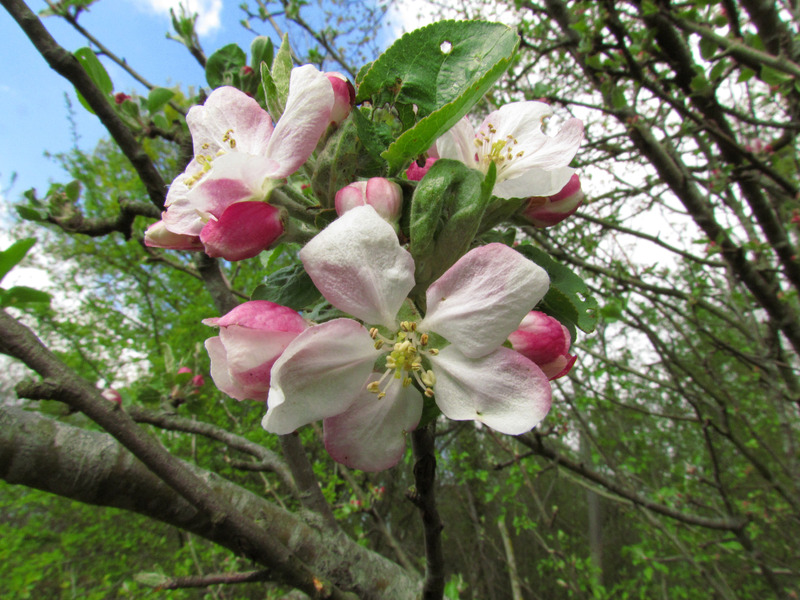
Malus sylvestris is a deciduous tree that belongs to the Rosaceae family. It is also known as the European crab apple. The tree can grow up to 10-30 feet (3-9 meters) tall, and has a rounded crown with a gray-brown bark. The leaves are dark green and serrated, and the flowers are pink or white and bloom in the spring.
Plant Care Instructions
Outdoor Size Range
10-30 feet (3-9 meters) tall and 10-20 feet (3-6 meters) wide
Light Requirements
Malus sylvestris requires full sun exposure to grow and produce fruit.
Humidity Needs
Malus sylvestris prefers moderate humidity levels, but can tolerate dry air.
Fertilizing Schedule
Fertilize the tree in the spring with a balanced fertilizer. Do not over-fertilize, as this can lead to excessive vegetative growth and reduced fruit production.
Pruning Guidelines
Prune the tree in late winter or early spring to remove dead or diseased wood, improve air circulation, and shape the tree. Avoid pruning during the growing season, as this can lead to excessive sap flow and reduced fruit production.
Common Pests and Diseases
Common pests that can afflict Malus sylvestris include aphids, codling moths, and apple scab. Diseases that can affect the tree include fire blight, powdery mildew, and cedar apple rust.
Indoor Size Range
Not suitable for indoor cultivation
Watering Schedule
The tree requires regular watering, especially during the first few years of growth. It prefers well-draining soil and does not tolerate waterlogged conditions.
Temperature Range
The tree can tolerate a wide range of temperatures, from -40°F (-40°C) to 100°F (38°C). It is hardy in USDA zones 3-8.
Growing Season
The growing season for Malus sylvestris is from spring to fall.
Growing Difficulty Level
Malus sylvestris is moderately difficult to grow, as it requires regular maintenance and is susceptible to pests and diseases.
USDA Hardiness Zones
USDA hardiness zones 3-8
Did You Know?
The crab apple is the only apple native to Europe, and has been cultivated for thousands of years for its fruit, which is used to make cider, jelly, and other products.
