Special Web Offer - Get 50% OFF!
Grab Your Deal Now
PlantSnap
Plant Care
Oregon crabapple
(Malus fusca)
Also Known As
Oregon crabapple, Pacific crabapple, Western crabapple, Wild crabapple
About This Plant
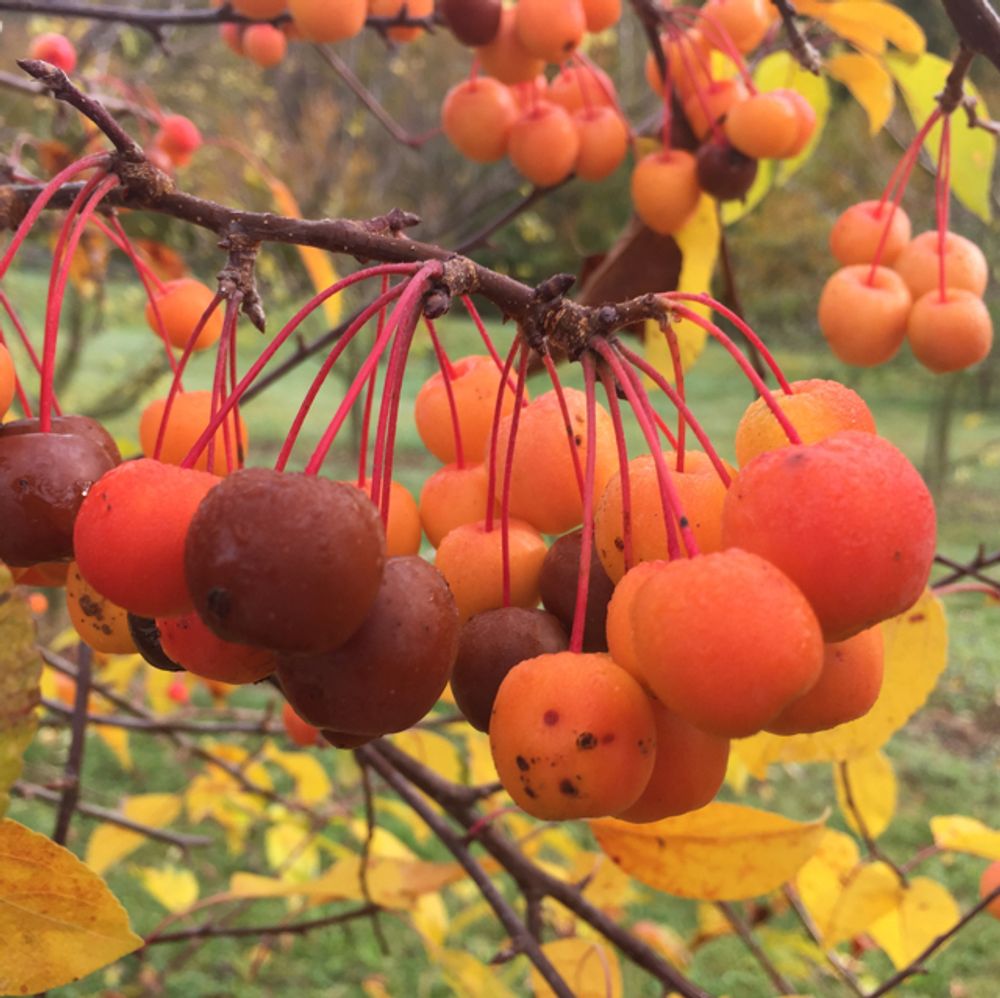
Malus fusca is a deciduous tree that is native to western North America, and it can grow up to 30 feet (9.1 meters) tall. The leaves are oval-shaped, with a serrated edge, and they turn yellow or red in the fall. The tree produces fragrant white or pink flowers in the spring, followed by small, dark red or blackish-purple fruits that are edible but sour.
Plant Care Instructions
Outdoor Size Range
15-30 feet (4.6-9.1 meters)
Light Requirements
The Pacific crabapple prefers full sun to partial shade.
Humidity Needs
The Pacific crabapple doesn't have any special humidity requirements.
Fertilizing Schedule
The tree doesn't have any special fertilizer requirements, but a general-purpose fertilizer can be applied in the spring.
Pruning Guidelines
The Pacific crabapple can benefit from pruning to remove dead or diseased branches and to shape the tree. Pruning should be done in the late winter or early spring before the tree starts to grow new leaves.
Common Pests and Diseases
The Pacific crabapple can be susceptible to apple scab, fire blight, and powdery mildew. It can also attract aphids, spider mites, and scale insects.
Indoor Size Range
Not suitable for indoor growth.
Watering Schedule
The tree needs regular watering, especially during the first few years of growth. After that, it can tolerate some drought.
Temperature Range
The tree prefers cool to moderate temperatures and can tolerate temperatures down to -20°F (-29°C).
Growing Season
Spring and summer
Growing Difficulty Level
Moderate
USDA Hardiness Zones
USDA hardiness zones 5-9
Did You Know?
The Pacific crabapple has been used by Native Americans for food, medicine, and as a source of dye for basketry.