Special Web Offer - Get 50% OFF!
Grab Your Deal Now
PlantSnap
Plant Care
American crabapple
(Malus coronaria)
Also Known As
American crabapple, Sweet crabapple, Wild crabapple, Wild apple
About This Plant
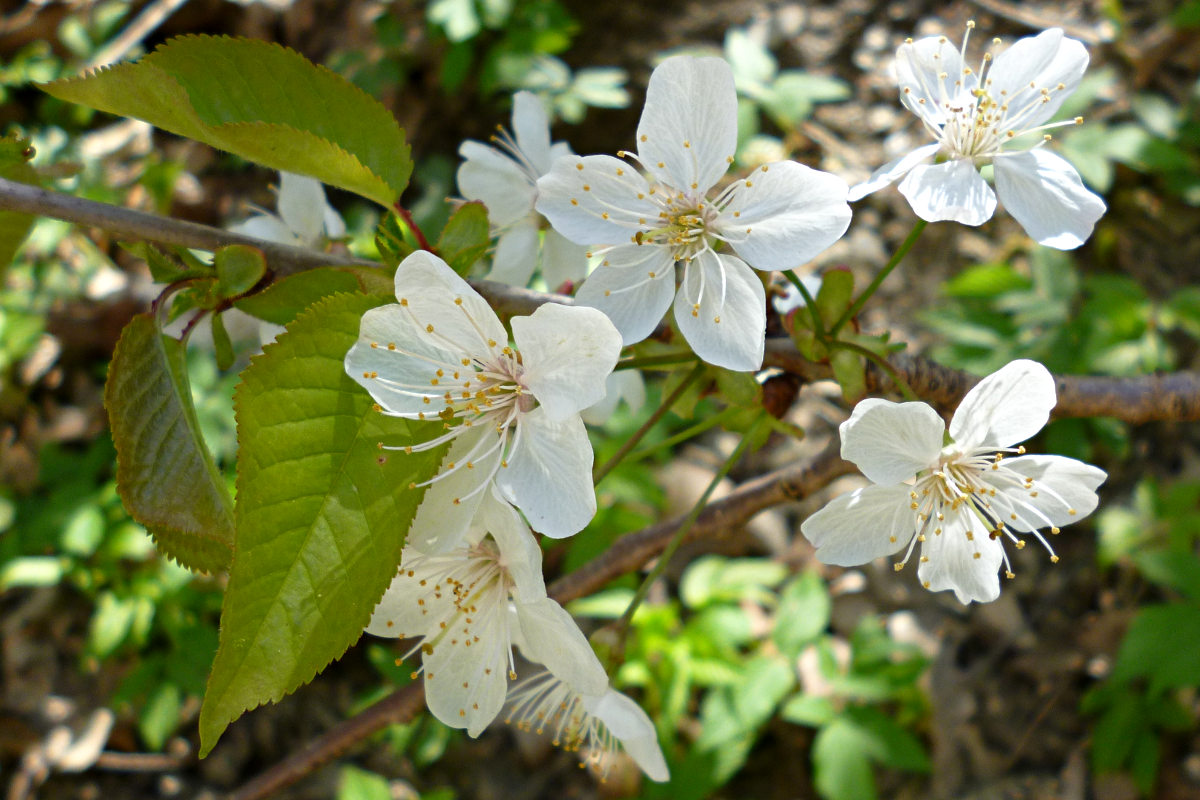
Malus coronaria is a deciduous tree that belongs to the Rosaceae family. It is commonly known as the sweet crabapple or garland crabapple. The tree has an upright growth habit and can reach a height of 20-30 feet (6-9 meters) with a spread of 15-25 feet (4.5-7.5 meters). The leaves are oval-shaped, dark green in color, and turn yellow in the fall. The flowers are pink or white in color and bloom in the spring.
Plant Care Instructions
Outdoor Size Range
20-30 feet (6-9 meters) in height and 15-25 feet (4.5-7.5 meters) in spread
Light Requirements
The sweet crabapple prefers full sun to partial shade. It requires at least 6 hours of direct sunlight per day.
Humidity Needs
The tree can tolerate a wide range of humidity levels.
Fertilizing Schedule
The tree benefits from regular fertilization during the growing season. A balanced fertilizer with equal parts nitrogen, phosphorus, and potassium is recommended.
Pruning Guidelines
Pruning is recommended to maintain the tree's shape and remove any dead or diseased branches. It is best to prune in the late winter or early spring before new growth appears.
Common Pests and Diseases
The sweet crabapple is susceptible to apple scab, fire blight, and powdery mildew. Regular monitoring and treatment with fungicides may be necessary.
Indoor Size Range
Not suitable for indoor growth
Watering Schedule
The tree requires regular watering during the growing season. The soil should be kept moist but not waterlogged. During the winter, the tree can tolerate drier soil conditions.
Temperature Range
The sweet crabapple can tolerate a wide range of temperatures, but it prefers cooler climates. It can tolerate temperatures as low as -30°F (-34°C).
Growing Season
The growing season for the sweet crabapple is from spring to fall.
Growing Difficulty Level
The sweet crabapple is moderately difficult to grow. It requires regular maintenance and is susceptible to several pests and diseases.
USDA Hardiness Zones
USDA hardiness zones 4-8
Did You Know?
The sweet crabapple is often used as an ornamental tree in gardens and parks due to its attractive flowers and fruit. The fruit is edible but is not commonly consumed due to its sour taste.
