Special Web Offer - Get 50% OFF!
Grab Your Deal Now
PlantSnap
Plant Care
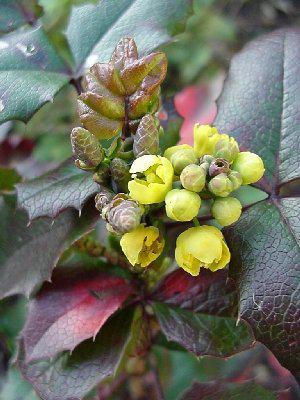
Oregon grape
(Mahonia aquifolium)
Also Known As
Oregon grape, Berberis aquifolium, Mountain grape, Holly-leaved barberry
About This Plant
Mahonia aquifolium, commonly known as Oregon grape, is a flowering evergreen shrub native to western North America. It is a member of the Berberidaceae family and is known for its spiny holly-like leaves and clusters of bright yellow flowers that bloom in late winter and early spring, followed by blue-black berries in the summer.
Plant Care Instructions
Outdoor Size Range
3-6 feet (0.9-1.8 meters)
Light Requirements
Mahonia aquifolium prefers partial shade to full shade but can tolerate some sun. It is best to avoid direct sunlight as it can scorch the leaves.
Humidity Needs
Mahonia aquifolium can tolerate a wide range of humidity levels, but it prefers moderate to high humidity.
Fertilizing Schedule
The plant does not require much fertilizer, but it can benefit from a balanced fertilizer in the spring.
Pruning Guidelines
Pruning is not necessary, but it can help to shape the plant and remove any damaged or diseased branches. Pruning should be done in the late winter or early spring before new growth begins.
Common Pests and Diseases
Mahonia aquifolium is relatively pest-resistant but can be susceptible to rust, leaf spot, and powdery mildew.
Indoor Size Range
18-24 inches (45-60 cm)
Watering Schedule
The plant requires moderate watering, especially during the growing season, but it is drought-tolerant once established. Overwatering can lead to root rot.
Temperature Range
The plant is cold-hardy and can survive in temperatures as low as -15°F (-26°C). It prefers cool to moderate temperatures and can tolerate temperatures up to 90°F (32°C).
Growing Season
The growing season for Mahonia aquifolium is from spring to fall.
Growing Difficulty Level
Mahonia aquifolium is relatively easy to grow and is a good choice for beginners.
USDA Hardiness Zones
Mahonia aquifolium is hardy in USDA zones 5-9.
Did You Know?
The berries of Mahonia aquifolium are edible and can be used to make jelly and wine. They are also a favorite food of many birds, including robins and cedar waxwings.
