Special Web Offer - Get 50% OFF!
Grab Your Deal Now
PlantSnap
Plant Care
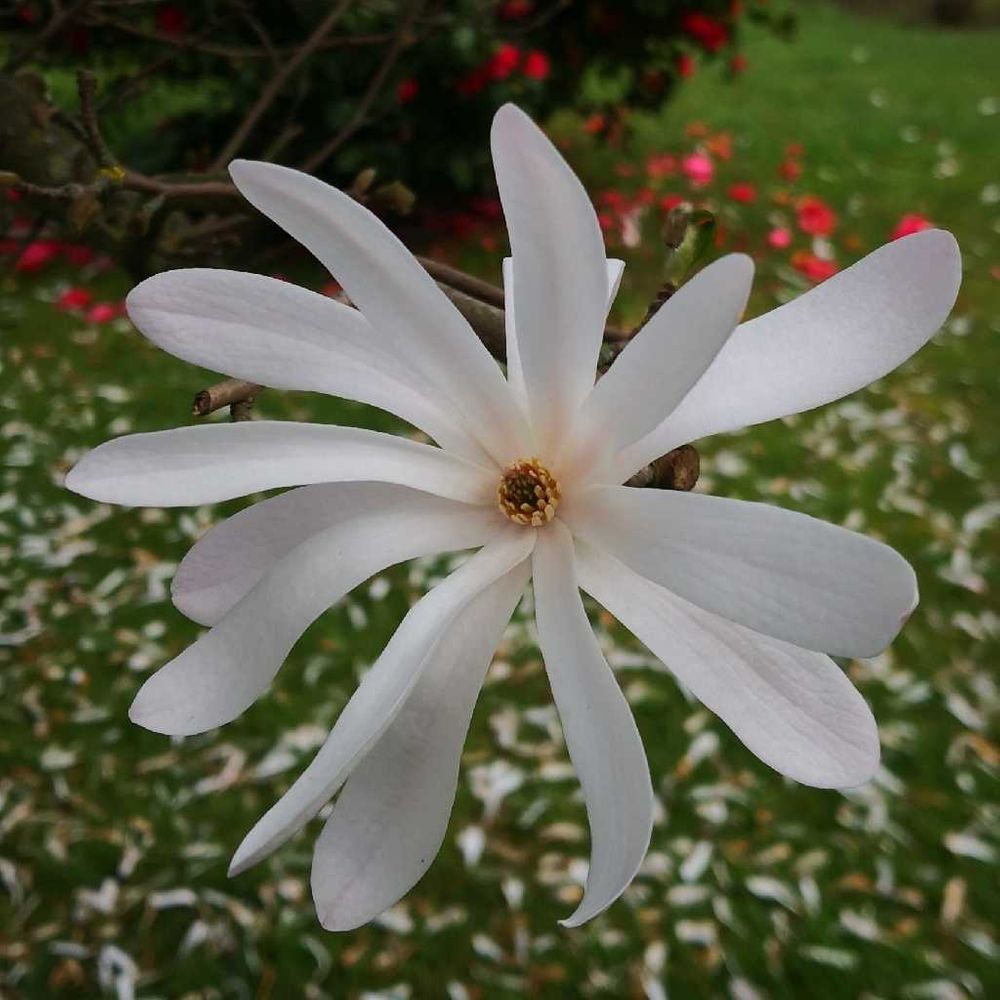
Star magnolia
(Magnolia stellata)
Also Known As
Star magnolia, Japanese magnolia, Magnolia dehon
About This Plant
Magnolia stellata is a deciduous flowering shrub or small tree that belongs to the Magnoliaceae family. It is native to Japan and is known for its beautiful, star-shaped flowers that bloom in early spring.
Plant Care Instructions
Outdoor Size Range
10-20 feet (3-6 meters)
Light Requirements
Star Magnolias prefer full sun to partial shade. They can tolerate some shade, but too much shade can reduce the number of flowers.
Humidity Needs
Star Magnolias prefer moderate to high humidity. Mist the leaves with water regularly to increase humidity levels.
Fertilizing Schedule
Fertilize once a year in the spring with a slow-release fertilizer. Avoid fertilizing in the fall or winter.
Pruning Guidelines
Prune after flowering to maintain shape and remove dead or damaged branches. Avoid pruning in the fall or winter as this can stimulate new growth that may be damaged by frost.
Common Pests and Diseases
Common pests include scale insects, spider mites, and Magnolia scale. Diseases include leaf spot and powdery mildew.
Indoor Size Range
36-60 inches (91-152 cm)
Watering Schedule
Water regularly, especially during dry periods. Keep the soil moist but not waterlogged.
Temperature Range
Star Magnolias prefer cool to moderate temperatures. They can tolerate some heat, but too much heat can cause the flowers to wilt.
Growing Season
Star Magnolias bloom in early spring, typically in March or April.
Growing Difficulty Level
Star Magnolias are relatively easy to grow as long as they are planted in the right location and given the right care.
USDA Hardiness Zones
USDA hardiness zones 4-8
Did You Know?
In Japan, Magnolia stellata is known as 'Hoshibuki' which means 'a shower of stars' in reference to its beautiful star-shaped flowers.