Special Web Offer - Get 50% OFF!
Grab Your Deal Now
PlantSnap
Plant Care
Saucer magnolia
(Magnolia soulangeana)
Also Known As
Saucer magnolia, Yulan magnolia, Chinese magnolia, Tulip tree
About This Plant
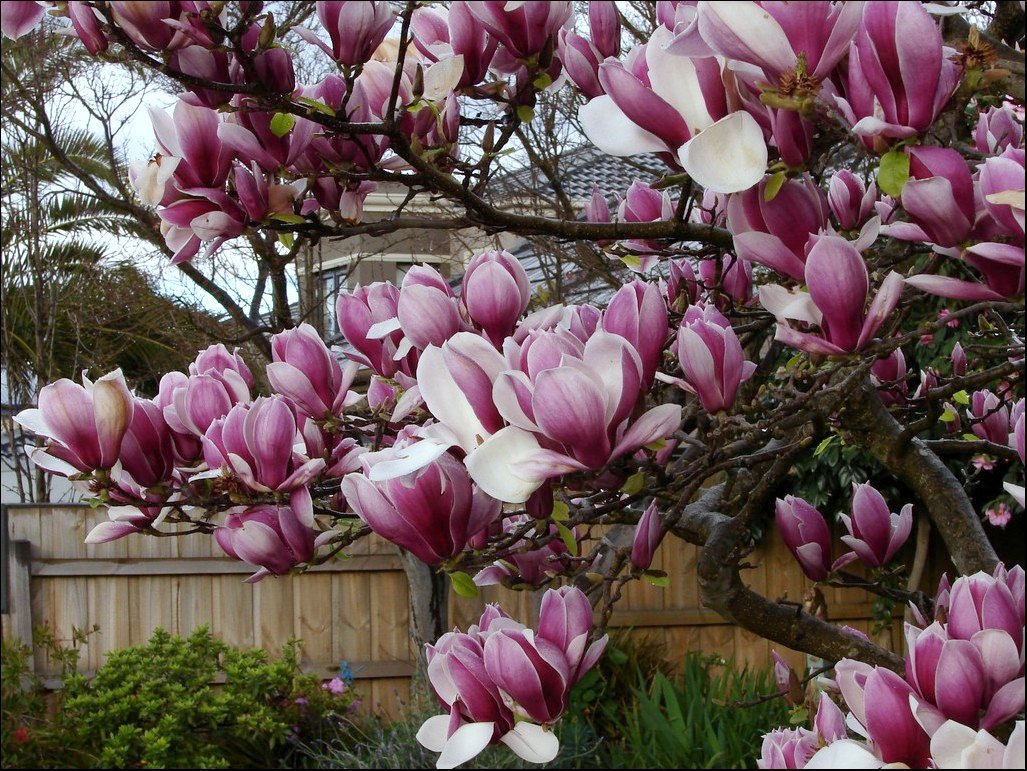
Magnolia soulangeana is a deciduous tree that belongs to the Magnoliaceae family. It is a hybrid plant species that originated from France in the early 19th century. The plant has beautiful, large, fragrant flowers that come in shades of pink, purple, and white. The leaves are dark green and glossy, and the bark is smooth and grayish-brown.
Plant Care Instructions
Outdoor Size Range
20-30 feet (6-9 m)
Light Requirements
Magnolia soulangeana prefers full sun to partial shade. It requires at least 4-6 hours of direct sunlight per day to thrive.
Humidity Needs
The plant prefers moderate humidity levels. It can tolerate dry air but may benefit from occasional misting during hot and dry weather.
Fertilizing Schedule
The plant benefits from regular fertilization during the growing season. Use a balanced fertilizer with equal amounts of nitrogen, phosphorus, and potassium. Apply the fertilizer every 4-6 weeks.
Pruning Guidelines
Magnolia soulangeana requires minimal pruning. Remove any dead, damaged, or diseased branches as soon as possible. Prune the tree in late winter or early spring before the new growth appears.
Common Pests and Diseases
The plant is relatively pest-free but may occasionally suffer from scale insects, mealybugs, and spider mites. Treat the infested plant with insecticidal soap or neem oil.
Indoor Size Range
36-72 inches (91-183 cm)
Watering Schedule
The plant needs to be watered regularly, especially during the growing season. The soil should be kept moist but not waterlogged. Avoid overwatering as it can lead to root rot.
Temperature Range
Magnolia soulangeana prefers mild temperatures ranging from 60-75°F (15-24°C). It can tolerate slightly lower temperatures during the winter but may suffer damage if exposed to frost.
Growing Season
The growing season for Magnolia soulangeana is from spring to early summer. The plant produces flowers in late winter or early spring before the leaves appear.
Growing Difficulty Level
Magnolia soulangeana is moderately difficult to grow. It requires specific growing conditions and may suffer from various diseases and pests.
USDA Hardiness Zones
Magnolia soulangeana is hardy in USDA zones 5-9.
Did You Know?
Magnolia soulangeana is named after two French botanists, Étienne Soulange-Bodin and Pierre Magnol, who played a significant role in the development of horticulture in the 18th century.
