Special Web Offer - Get 50% OFF!
Grab Your Deal Now
PlantSnap
Plant Care
Old fustic
(Maclura tinctoria)
Also Known As
Old fustic, Osage orange, Bodark, Hedge apple, Yellowwood
About This Plant
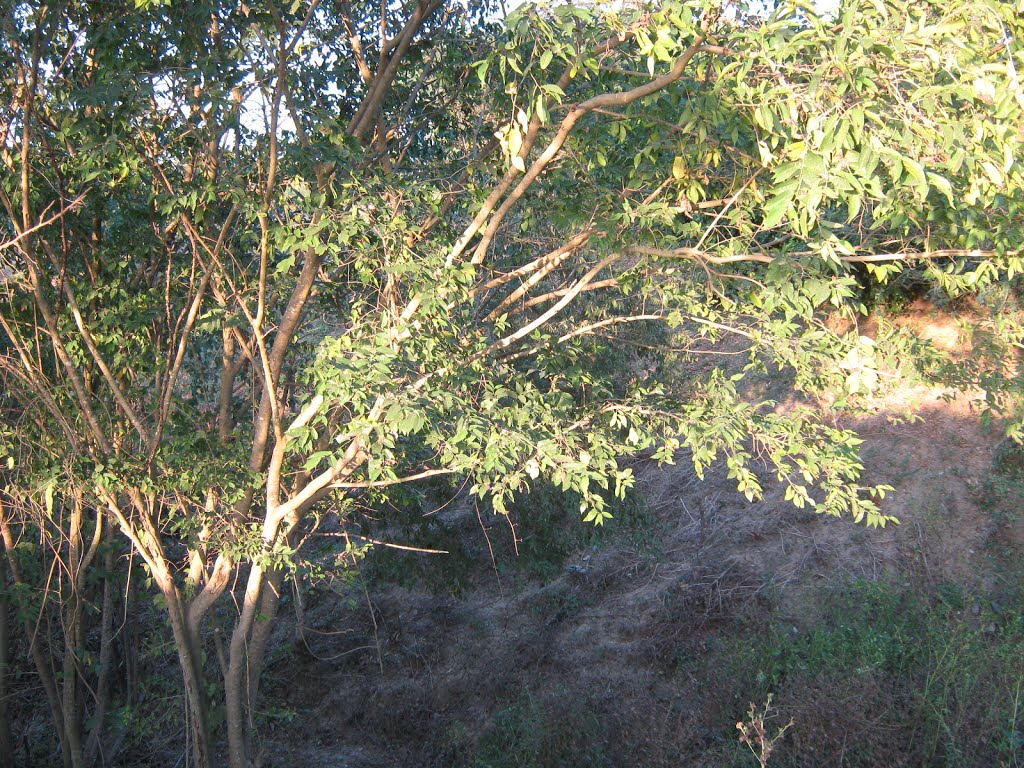
Maclura tinctoria is a species of flowering plant in the family Moraceae, native to Central America and South America. It is a small to medium-sized tree that can reach up to 20-50 feet (6-15 meters) tall. The tree has a dense crown of glossy, dark green leaves and produces small, greenish-yellow flowers that bloom in the spring and summer, followed by small, orange fruits.
Plant Care Instructions
Outdoor Size Range
20-50 feet (6-15 meters)
Light Requirements
Fustic trees prefer full sun to partial shade. They can tolerate shade but may produce fewer flowers and fruits.
Humidity Needs
Fustic trees can tolerate a wide range of humidity levels, but they prefer moderate humidity.
Fertilizing Schedule
Fustic trees do not require frequent fertilization. A balanced fertilizer can be applied once a year in the spring.
Pruning Guidelines
Fustic trees require minimal pruning. Dead or damaged branches can be removed as needed.
Common Pests and Diseases
Fustic trees are relatively pest-free, but they can be susceptible to scale insects and spider mites.
Indoor Size Range
Not suitable for indoor growth.
Watering Schedule
Fustic trees require moderate watering. They can tolerate short periods of drought, but do not overwater as it can lead to root rot.
Temperature Range
Fustic trees prefer warm temperatures between 60-85°F (15-29°C). They can tolerate brief periods of frost, but prolonged exposure to cold temperatures can damage the tree.
Growing Season
Fustic trees can be grown year-round in tropical regions, but they may be deciduous in cooler climates.
Growing Difficulty Level
Fustic trees are relatively easy to grow, but they require space to reach their full size. They are best suited for large gardens or parks.
USDA Hardiness Zones
Fustic trees are hardy in USDA zones 10-12.
Did You Know?
Fustic wood was once highly valued for its ability to produce a yellow dye. It was used to dye the uniforms of British soldiers during the American Revolution.