Special Web Offer - Get 50% OFF!
Grab Your Deal Now
PlantSnap
Plant Care
Bigleaf lupine
(Lupinus polyphyllus)
Also Known As
Bigleaf lupine, Garden lupine, Russell lupin
About This Plant
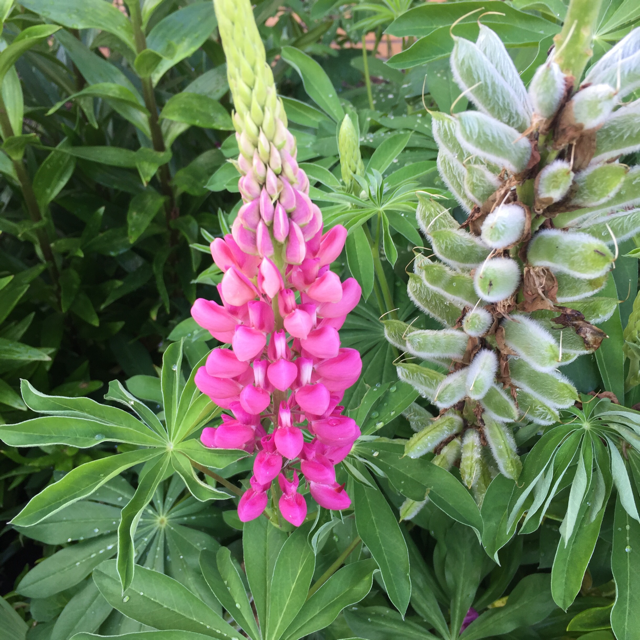
Lupinus polyphyllus is a herbaceous perennial plant species that is native to western North America. It has a tall and erect stem that can grow up to 5 feet (152 cm) tall. The plant has palmately compound leaves with 9-17 leaflets that are arranged in a whorl-like pattern. The flowers are showy and arranged in a tall spike that can be up to 12 inches (30 cm) long. The flowers are usually blue, but can also be pink, purple, or white.
Plant Care Instructions
Outdoor Size Range
3-5 feet (91-152 cm)
Light Requirements
Lupinus polyphyllus prefers full sun, but can tolerate partial shade.
Humidity Needs
The plant does not have any specific humidity requirements.
Fertilizing Schedule
The plant does not require regular fertilization, but can benefit from a balanced fertilizer in the spring.
Pruning Guidelines
The plant does not require regular pruning, but can be deadheaded after blooming to encourage more flowers.
Common Pests and Diseases
Lupinus polyphyllus can be affected by aphids, spider mites, and powdery mildew.
Indoor Size Range
Not suitable for indoor growth
Watering Schedule
The plant requires moderate watering. It should be watered when the top inch of soil feels dry.
Temperature Range
Lupinus polyphyllus can tolerate a wide range of temperatures, from -20°F (-29°C) to 90°F (32°C).
Growing Season
Lupinus polyphyllus blooms from late spring to early summer.
Growing Difficulty Level
Lupinus polyphyllus is relatively easy to grow, but can be challenging in areas with hot and humid summers.
USDA Hardiness Zones
USDA hardiness zones 3-7.
Did You Know?
Lupinus polyphyllus is the state flower of Alaska and is also known as the 'sundial lupine' because the flowers track the movement of the sun across the sky.
