Special Web Offer - Get 50% OFF!
Grab Your Deal Now
PlantSnap
Plant Care
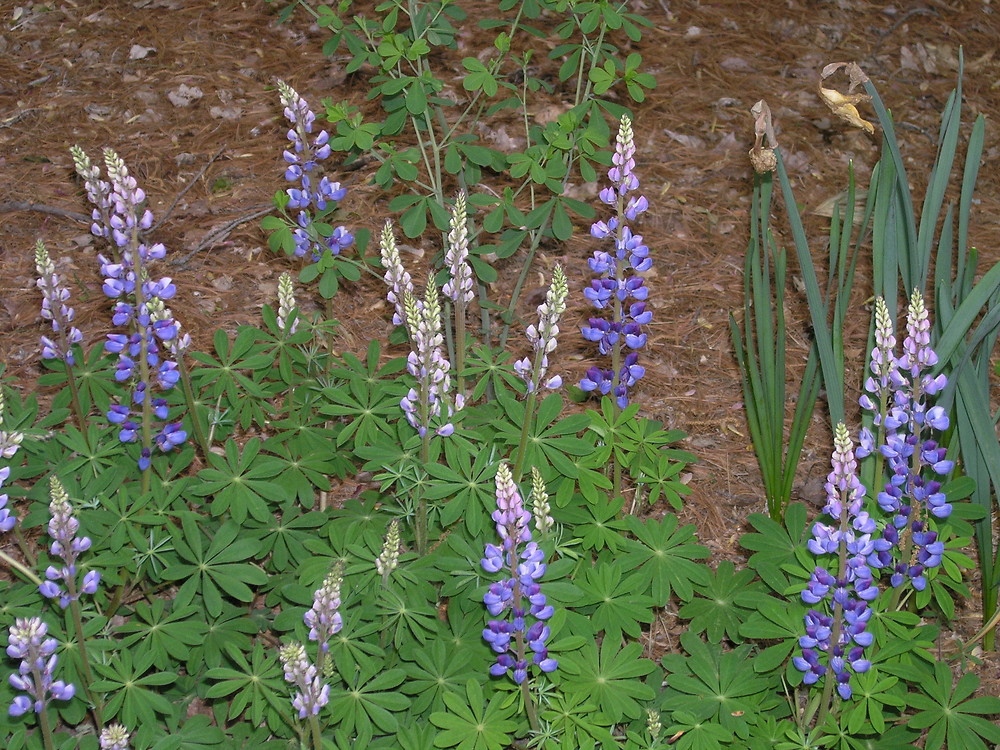
Wild lupine
(Lupinus perennis)
Also Known As
Wild lupine, Perennial lupine, Blue lupine, Sky lupine
About This Plant
Lupinus perennis is a herbaceous perennial plant that grows up to 1-2 feet (30-61 cm) tall. It has green leaves that are palmately compound with 7-11 leaflets, and showy blue, pink, or white flowers that bloom in early summer. The plant has a deep taproot that allows it to tolerate dry conditions.
Plant Care Instructions
Outdoor Size Range
1-2 feet (30-61 cm) tall, 1-2 feet (30-61 cm) wide
Light Requirements
Lupinus perennis prefers full sun, but can tolerate partial shade. It needs at least 6 hours of direct sunlight per day.
Humidity Needs
Lupinus perennis prefers moderate humidity levels, but can tolerate dry air.
Fertilizing Schedule
The plant does not require heavy fertilization, but can benefit from a balanced fertilizer once a month during the growing season.
Pruning Guidelines
Lupinus perennis does not require heavy pruning, but deadheading spent flowers can promote continuous blooming.
Common Pests and Diseases
The plant can be affected by aphids, spider mites, and slugs.
Indoor Size Range
Not suitable for indoor growing
Watering Schedule
The plant requires moderate watering, about 1 inch (2.5 cm) of water per week. It can tolerate short periods of drought, but not prolonged dryness.
Temperature Range
The plant is cold hardy and can tolerate temperatures as low as -40°F (-40°C). It prefers cool temperatures and can suffer in hot and humid climates.
Growing Season
Lupinus perennis grows in the late spring and early summer.
Growing Difficulty Level
Lupinus perennis is moderately easy to grow, but requires well-draining soil and proper watering to prevent root rot.
USDA Hardiness Zones
USDA hardiness zones 3-8
Did You Know?
Lupinus perennis is the only host plant for the endangered Karner blue butterfly. The butterfly lays its eggs on the plant, and the larvae feed on the leaves.
