Special Web Offer - Get 50% OFF!
Grab Your Deal Now
PlantSnap
Plant Care
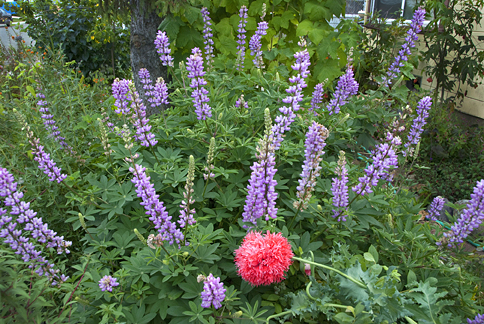
Broadleaf lupine
(Lupinus latifolius parishii)
Also Known As
Broadleaf lupine, Parish's lupine, Pacific lupine
About This Plant
Lupinus latifolius parishii is a perennial herbaceous plant species that belongs to the Fabaceae family. It is a subspecies of Lupinus latifolius, commonly known as broadleaf lupine. The plant has erect stems that can grow up to 3 feet (91 cm) tall and is characterized by its large leaves and showy flowers.
Plant Care Instructions
Outdoor Size Range
12-36 inches (30-91 cm) tall and 12-18 inches (30-46 cm) wide.
Light Requirements
Lupinus latifolius parishii prefers full sun but can tolerate partial shade. It requires at least 6 hours of direct sunlight per day.
Humidity Needs
The plant does not require high humidity levels.
Fertilizing Schedule
The plant does not require frequent fertilization. A balanced fertilizer can be applied once in the spring.
Pruning Guidelines
The plant does not require pruning but can be deadheaded after flowering to promote new growth.
Common Pests and Diseases
The plant is not commonly affected by pests or diseases.
Indoor Size Range
Not suitable for indoor growth.
Watering Schedule
The plant requires moderate watering. It should be watered deeply once a week, allowing the soil to dry out between waterings.
Temperature Range
The plant prefers cooler temperatures and can tolerate temperatures as low as 20°F (-6°C).
Growing Season
The plant blooms from late spring to early summer.
Growing Difficulty Level
Lupinus latifolius parishii is moderately difficult to grow. It requires well-draining soil and can be sensitive to overwatering.
USDA Hardiness Zones
Lupinus latifolius parishii is hardy in USDA zones 7-10.
Did You Know?
The seeds of Lupinus latifolius parishii are edible and were traditionally used by Native Americans as a food source.
