Special Web Offer - Get 50% OFF!
Grab Your Deal Now
PlantSnap
Plant Care
Sponge gourd
(Luffa aegyptiaca)
Also Known As
Sponge gourd, Luffa, Luffa gourd, Ridge gourd
About This Plant
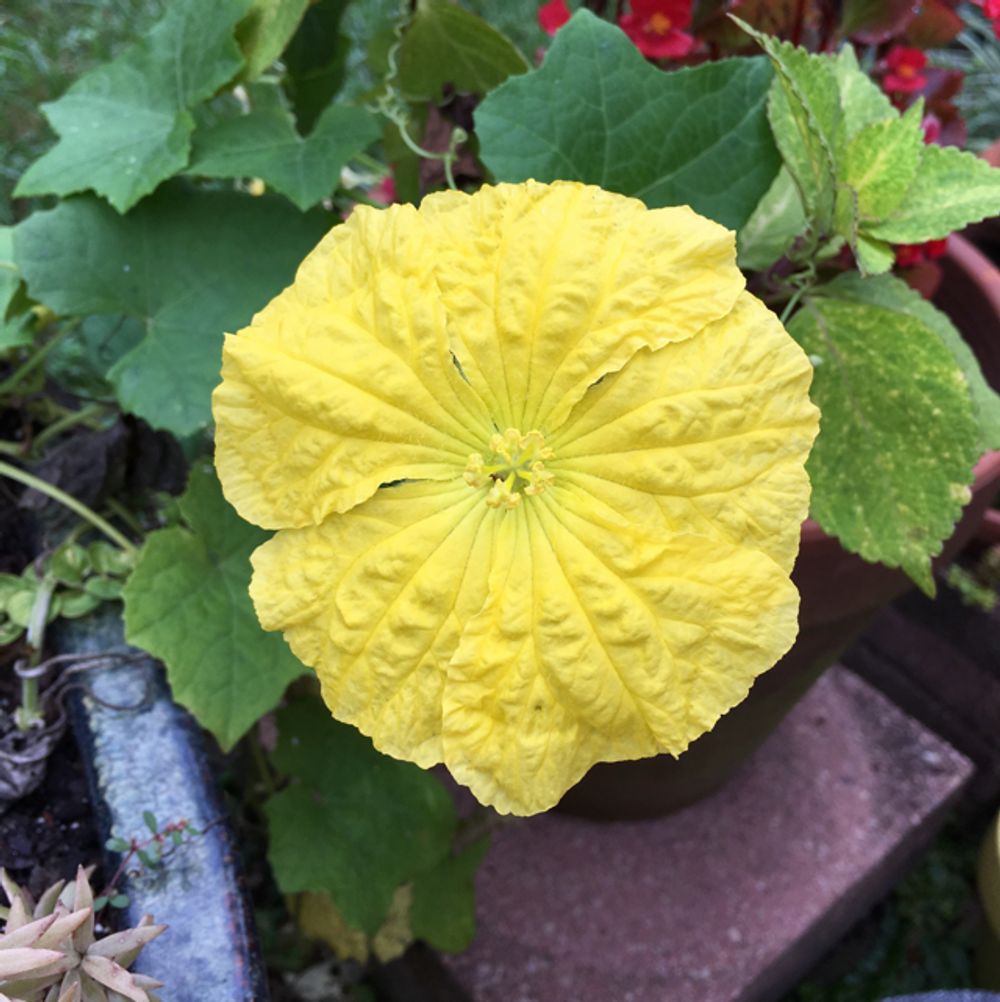
Luffa aegyptiaca is a tropical and subtropical vine in the cucumber family. It is an annual plant that produces large, elongated fruits that are commonly used as sponges or dishcloths. The plant has large, heart-shaped leaves and yellow flowers that bloom in the summer.
Plant Care Instructions
Outdoor Size Range
10-15 feet (3-4.5 meters)
Light Requirements
Luffa aegyptiaca requires full sun to grow and produce fruit. It should receive at least 6 hours of direct sunlight per day.
Humidity Needs
Luffa aegyptiaca prefers a humid environment, with a relative humidity of around 60-70%. It can tolerate lower humidity levels but may require more frequent watering.
Fertilizing Schedule
The plant requires regular fertilization with a balanced fertilizer. It should be fertilized every 2-3 weeks during the growing season.
Pruning Guidelines
Pruning is not necessary for Luffa aegyptiaca, but it can help to control the size of the plant and promote fruit production.
Common Pests and Diseases
Common pests for Luffa aegyptiaca include aphids, spider mites, and cucumber beetles. Diseases such as powdery mildew and downy mildew can also affect the plant.
Indoor Size Range
Not suitable for indoor cultivation
Watering Schedule
The plant requires regular watering, especially during the growing season. The soil should be kept moist but not waterlogged.
Temperature Range
The plant thrives in warm temperatures, with a minimum temperature of 60°F (16°C). It can tolerate higher temperatures, up to 95°F (35°C), but may require more frequent watering.
Growing Season
The growing season for Luffa aegyptiaca is from late spring to early fall.
Growing Difficulty Level
Luffa aegyptiaca is moderately difficult to grow. It requires a warm, humid environment and regular watering and fertilization.
USDA Hardiness Zones
Luffa aegyptiaca is not frost-tolerant and is only suitable for cultivation in USDA hardiness zones 9-11.
Did You Know?
The fibrous skeleton of the Luffa aegyptiaca fruit has been used for centuries as a natural scrubber and exfoliant for the skin.
