Special Web Offer - Get 50% OFF!
Grab Your Deal Now
PlantSnap
Plant Care
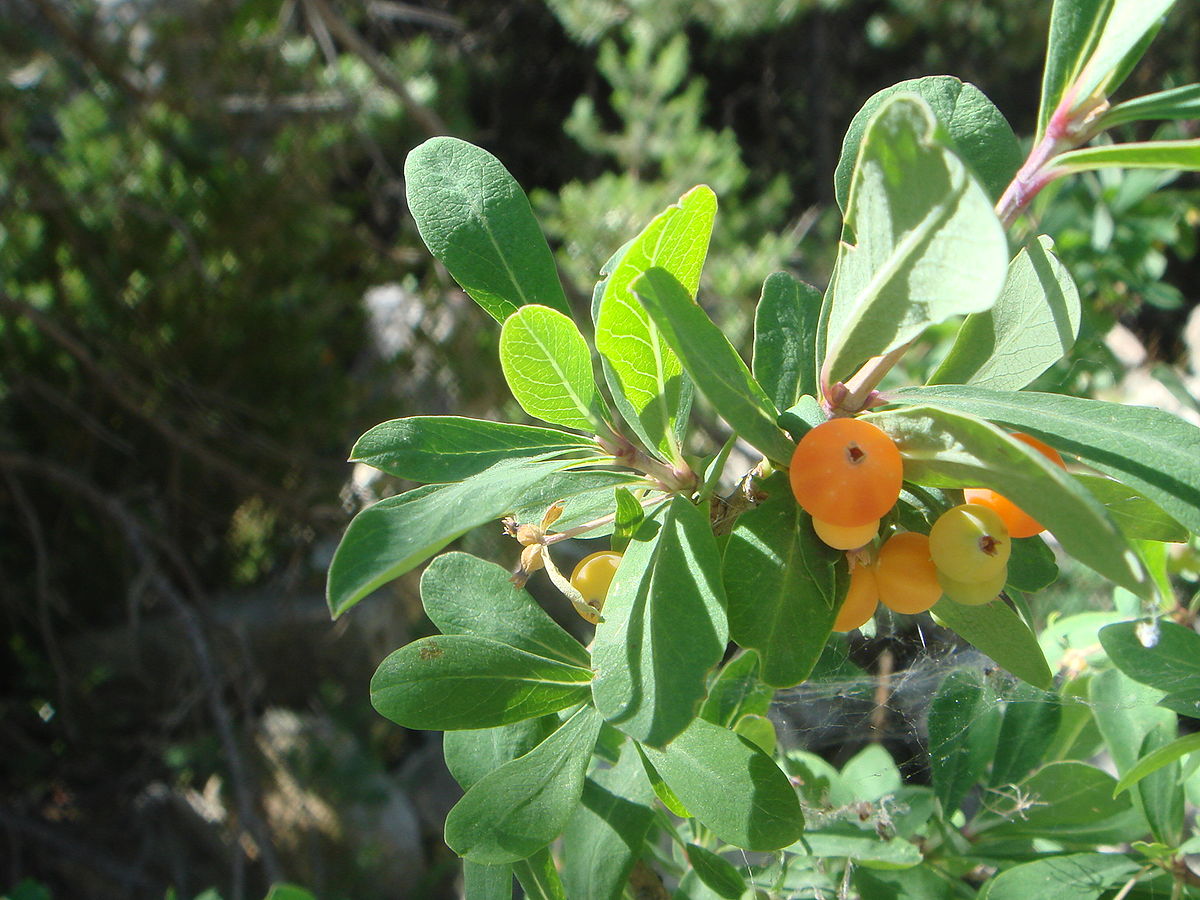
Pyrenean honeysuckle
(Lonicera pyrenaica)
Also Known As
Pyrenean honeysuckle, Mountain honeysuckle
About This Plant
Lonicera pyrenaica is a species of flowering plant in the honeysuckle family. It is a deciduous shrub that can grow up to 1.5 m tall. The leaves are opposite, oval-shaped, and up to 6 cm long. The flowers are tubular, yellow to orange-red, and appear in early summer. The fruit is a red or orange berry.
Plant Care Instructions
Outdoor Size Range
Up to 1.5 m (5 ft)
Light Requirements
Lonicera pyrenaica prefers full sun to partial shade. It can tolerate some shade, but may not flower as well.
Humidity Needs
It prefers moderate humidity levels, but can tolerate some dryness.
Fertilizing Schedule
It does not require heavy fertilization, but can benefit from a light application of balanced fertilizer in early spring.
Pruning Guidelines
It can be pruned in late winter or early spring to remove dead or damaged wood and to shape the plant.
Common Pests and Diseases
Lonicera pyrenaica is generally not susceptible to any serious pests or diseases.
Indoor Size Range
Not suitable for indoor cultivation
Watering Schedule
It prefers well-drained soil and regular watering, especially during dry spells. However, it can tolerate some drought once established.
Temperature Range
Lonicera pyrenaica is hardy to USDA zones 6-9, which means it can tolerate temperatures as low as -23°C (-10°F) to -1°C (30°F).
Growing Season
Lonicera pyrenaica grows in the spring and summer months.
Growing Difficulty Level
Lonicera pyrenaica is relatively easy to grow and maintain.
USDA Hardiness Zones
6-9
Did You Know?
The Pyrenean honeysuckle is native to the Pyrenees mountains in Europe and is often grown for its ornamental value in gardens and landscapes.
