Special Web Offer - Get 50% OFF!
Grab Your Deal Now
PlantSnap
Plant Care
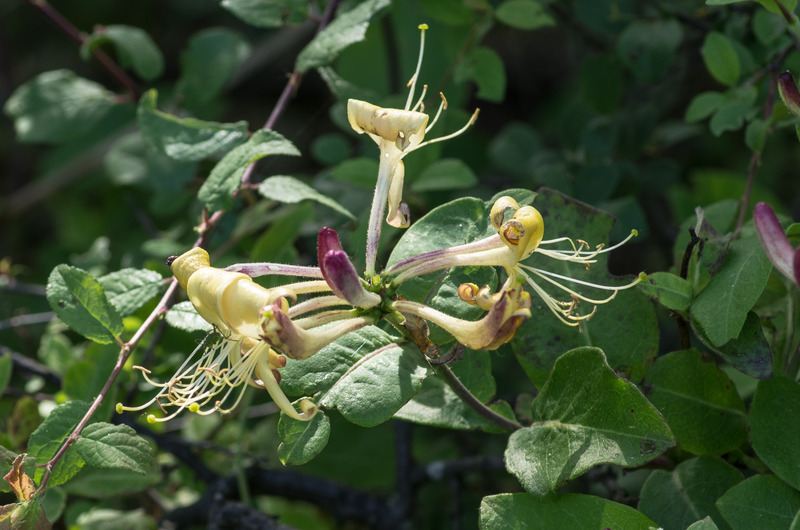
Common honeysuckle
(Lonicera periclymenum)
Also Known As
Common honeysuckle, Honeysuckle, Dutch honeysuckle, Perennial honeysuckle, Woodbine
About This Plant
Lonicera periclymenum is a deciduous climbing plant species native to Europe, including the United Kingdom. It is known for its sweetly scented flowers that bloom from June to September. The flowers are typically pink or white and trumpet-shaped, attracting pollinators such as bees and moths. The plant is also commonly called Honeysuckle.
Plant Care Instructions
Outdoor Size Range
Height: 10-20 feet (3-6 meters), Spread: 6-10 feet (2-3 meters)
Light Requirements
Honeysuckle plants require full sun to partial shade. They can tolerate shade but may not flower as well in low light conditions.
Humidity Needs
Honeysuckle plants prefer moderate humidity levels, but can tolerate drier air.
Fertilizing Schedule
Fertilize in early spring with a balanced fertilizer. Do not over-fertilize as this can lead to excessive growth and reduced flowering.
Pruning Guidelines
Prune in late winter or early spring before new growth appears. Remove any dead, damaged or diseased wood. Train the remaining growth to a trellis or support structure.
Common Pests and Diseases
Honeysuckle plants can be susceptible to aphids, powdery mildew, and scale insects. Treat with insecticidal soap or neem oil as needed.
Indoor Size Range
Not suitable for indoor growth.
Watering Schedule
Honeysuckle plants prefer consistently moist soil. Water regularly, especially during dry spells.
Temperature Range
Honeysuckle plants are hardy in USDA zones 4-9. They prefer cool to moderate temperatures, but can tolerate some heat.
Growing Season
Honeysuckle plants typically bloom from June to September in their native range.
Growing Difficulty Level
Honeysuckle plants are relatively easy to grow, but may require some maintenance to keep them healthy and looking their best.
USDA Hardiness Zones
USDA hardiness zones 4-9
Did You Know?
In addition to being a popular garden plant, honeysuckle has a long history of use in traditional medicine. It has been used to treat a variety of ailments, including respiratory infections, digestive issues, and skin conditions.