Special Web Offer - Get 50% OFF!
Grab Your Deal Now
PlantSnap
Plant Care
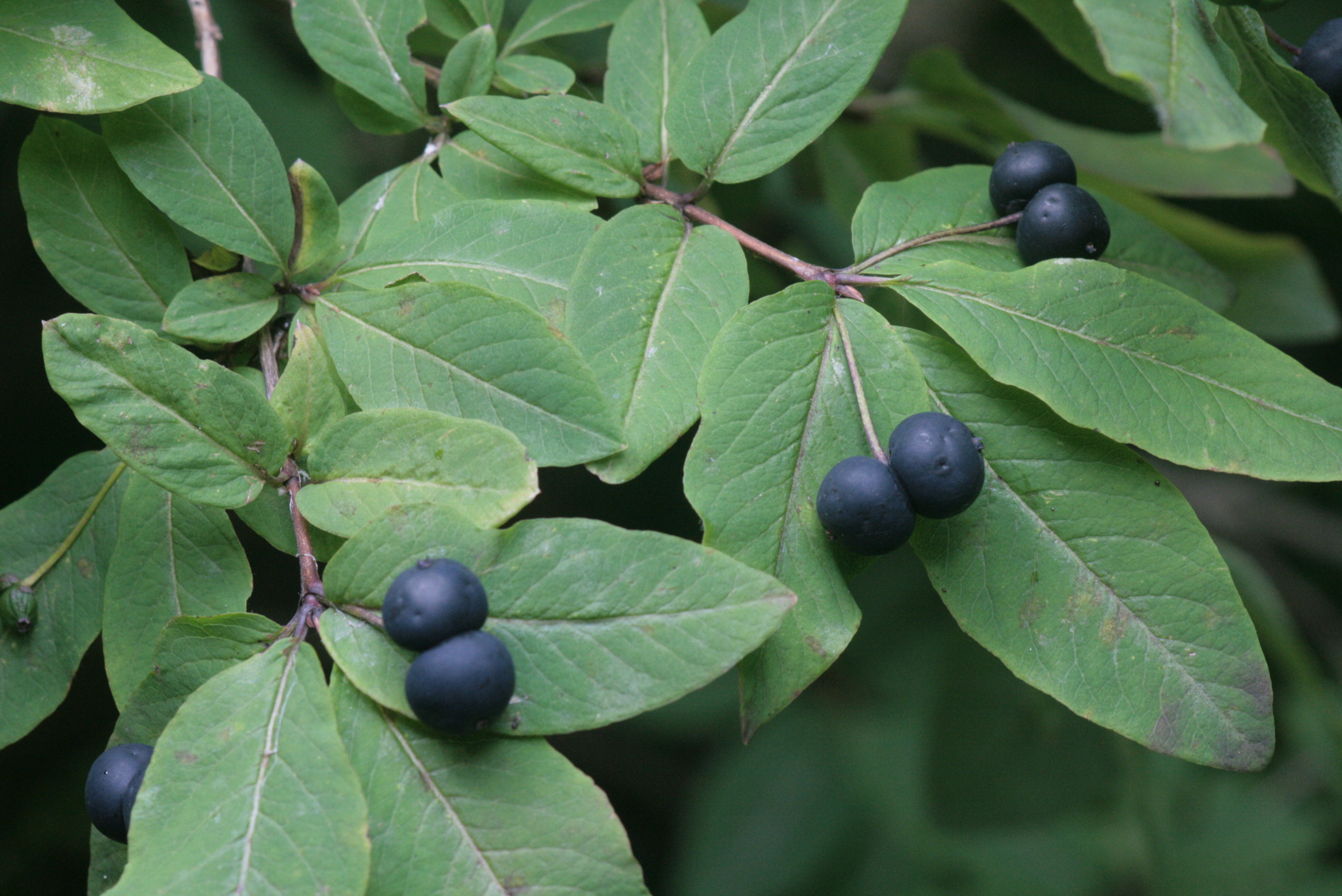
Japanese honeysuckle
(Lonicera japonica)
Also Known As
Japanese honeysuckle, Creeping honeysuckle, Honey suckle, Amur honeysuckle
About This Plant
Lonicera japonica is a species of woody vine in the honeysuckle family. It is native to East Asia but has been introduced to many other parts of the world. It is a vigorous, deciduous or semi-evergreen twining vine that can grow up to 30 feet (9 meters) long.
Plant Care Instructions
Outdoor Size Range
Up to 30 feet (9 meters)
Light Requirements
Lonicera japonica prefers full sun to partial shade. It can tolerate shade but will not flower as well.
Humidity Needs
It prefers moderate humidity but can tolerate a range of humidity levels.
Fertilizing Schedule
It benefits from regular fertilization with a balanced fertilizer during the growing season.
Pruning Guidelines
Prune Lonicera japonica in late winter or early spring before new growth begins. This will help to control its size and shape and encourage more flowers.
Common Pests and Diseases
Common pests include aphids, scale insects, and spider mites. It can also be susceptible to powdery mildew and leaf spot diseases.
Indoor Size Range
Not suitable for indoor growth
Watering Schedule
It prefers consistently moist soil but can tolerate some drought. It is important not to overwater as this can lead to root rot.
Temperature Range
Lonicera japonica can tolerate a wide range of temperatures, from -10°F (-23°C) to 100°F (38°C).
Growing Season
The growing season for Lonicera japonica is from spring to fall.
Growing Difficulty Level
Lonicera japonica is considered easy to grow and is tolerant of a range of growing conditions.
USDA Hardiness Zones
USDA hardiness zones 4-10.
Did You Know?
In traditional Chinese medicine, Lonicera japonica is used to treat fever, inflammation, and skin infections.
