Special Web Offer - Get 50% OFF!
Grab Your Deal Now
PlantSnap
Plant Care
Honeyberry
(Lonicera caerulea)
Also Known As
Honeyberry, Blue honeysuckle, Haskap
About This Plant
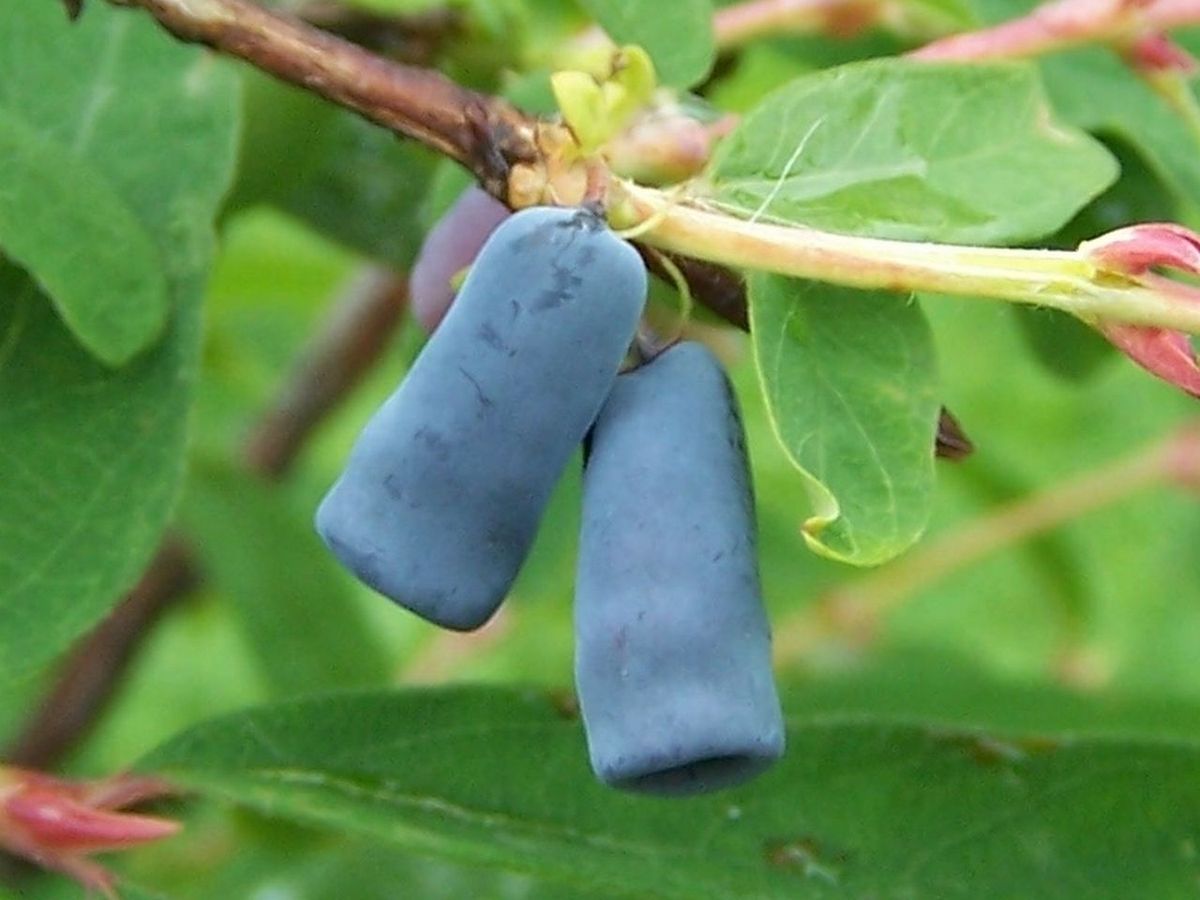
Lonicera caerulea is a deciduous shrub that typically grows up to 6 feet (1.8 meters) tall. It is known for its blueberry-like fruit that has a unique tart flavor. The plant has oval, blue-green leaves and produces small, white or pale yellow flowers in the spring.
Plant Care Instructions
Outdoor Size Range
3-6 feet (0.9-1.8 meters)
Light Requirements
Honeyberries grow best in full sun to partial shade. They require at least 6 hours of direct sunlight per day.
Humidity Needs
Honeyberries prefer moderate humidity levels, but can tolerate dry air.
Fertilizing Schedule
Fertilize honeyberries in early spring with a balanced fertilizer. Avoid over-fertilizing as this can lead to excessive vegetative growth and reduced fruit production.
Pruning Guidelines
Honeyberries require minimal pruning. Remove any dead or damaged wood in late winter or early spring. Thin out any overcrowded branches to improve air circulation.
Common Pests and Diseases
Honeyberries are relatively pest and disease resistant, but can be susceptible to aphids, spider mites, and powdery mildew.
Indoor Size Range
N/A
Watering Schedule
Honeyberries prefer consistently moist soil. Water deeply once a week, and more frequently during hot, dry weather.
Temperature Range
Honeyberries are hardy in USDA zones 2-9 and can tolerate temperatures as low as -40°F (-40°C). They require a period of winter dormancy to produce fruit.
Growing Season
Honeyberries typically ripen in late spring to early summer, depending on the variety and location. They require a period of winter dormancy to produce fruit.
Growing Difficulty Level
Honeyberries are relatively easy to grow and maintain, making them a great choice for beginner gardeners.
USDA Hardiness Zones
2-9
Did You Know?
Honeyberries are native to Siberia and are also known as 'Siberian blueberries'. They have been grown in Japan for centuries and are also popular in Russia and Canada.
