Special Web Offer - Get 50% OFF!
Grab Your Deal Now
PlantSnap
Plant Care
Trailing lobelia
(Lobelia erinus)
Also Known As
Trailing lobelia, Edging lobelia, Blue lobelia, Lobelia, Lobelia flower
About This Plant
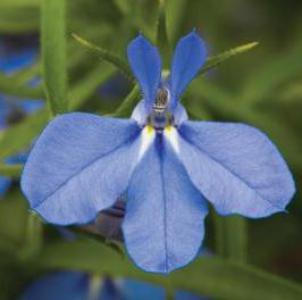
Lobelia erinus is a species of flowering plant in the bellflower family Campanulaceae, native to southern Africa. It is a trailing annual plant, growing to 5–10 cm tall, with small, pale blue flowers. It is commonly known as edging lobelia or trailing lobelia.
Plant Care Instructions
Outdoor Size Range
6-10 inches (15-25 cm)
Light Requirements
Lobelia erinus requires full sun to partial shade. It can tolerate a wide range of light conditions but blooms best in full sun.
Humidity Needs
Lobelia erinus prefers moderate to high humidity levels. It will benefit from misting or placing a tray of water near the plant.
Fertilizing Schedule
Lobelia erinus benefits from regular fertilization with a balanced fertilizer every 2-3 weeks during the growing season.
Pruning Guidelines
Lobelia erinus does not require pruning but can be pinched back to encourage bushier growth.
Common Pests and Diseases
Common pests for Lobelia erinus include aphids, spider mites, and whiteflies. Diseases include powdery mildew and root rot.
Indoor Size Range
6-8 inches (15-20 cm)
Watering Schedule
Lobelia erinus prefers consistently moist soil. It should be watered when the top inch of soil feels dry to the touch.
Temperature Range
Lobelia erinus prefers cool temperatures between 60-70°F (16-21°C). It can tolerate higher temperatures but may not flower as well.
Growing Season
Lobelia erinus is a cool-season annual that blooms in the spring and fall. In warmer climates, it can be grown as a winter annual.
Growing Difficulty Level
Lobelia erinus is moderately difficult to grow. It requires consistent moisture and cool temperatures to thrive.
USDA Hardiness Zones
Lobelia erinus is hardy in USDA zones 10-11.
Did You Know?
Lobelia erinus is used in traditional medicine to treat respiratory ailments such as asthma and bronchitis.
