Special Web Offer - Get 50% OFF!
Grab Your Deal Now
PlantSnap
Plant Care
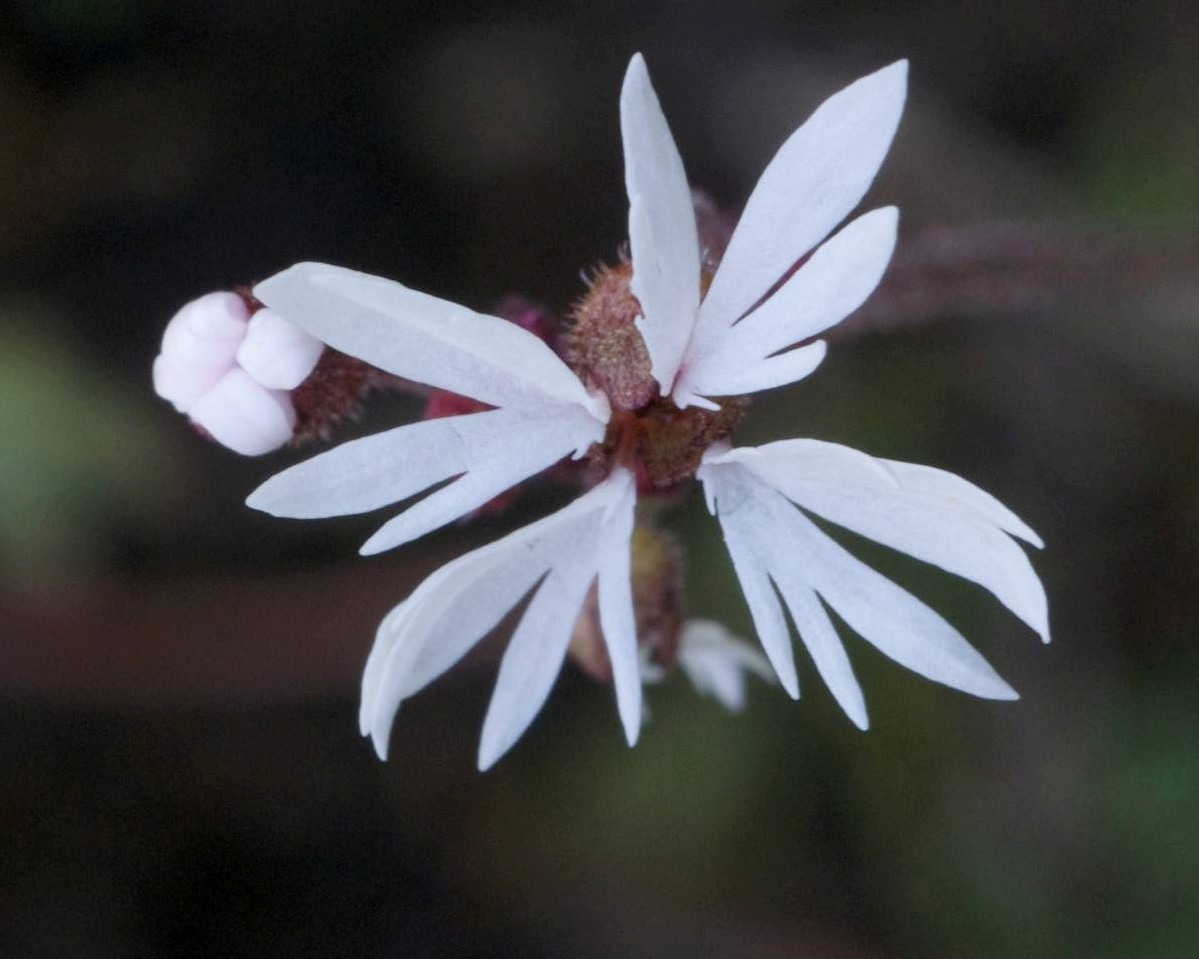
Bulbous woodland star
(Lithophragma glabrum)
Also Known As
Bulbous woodland star, Gray's lithophragma, Sandy lithophragma
About This Plant
Lithophragma glabrum is a perennial herbaceous plant species that belongs to the Saxifragaceae family. It is commonly known as the 'Satin-flower' or 'Woodland-star'. The plant is native to western North America and can be found in various habitats such as open woods, meadows, and rocky slopes.
Plant Care Instructions
Outdoor Size Range
12-24 inches (30-61 cm)
Light Requirements
The Lithophragma glabrum plant species requires partial shade to full sun exposure for optimal growth. It can tolerate full shade, but the plant may not flower as much.
Humidity Needs
The plant prefers moderate humidity levels but can tolerate low humidity levels.
Fertilizing Schedule
The plant requires a balanced fertilizer applied in the spring to encourage growth and flowering.
Pruning Guidelines
The plant should be pruned in the fall after flowering to remove any dead or damaged foliage.
Common Pests and Diseases
The Lithophragma glabrum plant species is relatively pest and disease-free but may be susceptible to root rot if overwatered.
Indoor Size Range
12-18 inches (30-46 cm)
Watering Schedule
The plant requires moderate watering during the growing season. It prefers well-draining soil that is kept moist but not waterlogged. During the winter months, the plant should be watered sparingly.
Temperature Range
The plant prefers cool to moderate temperatures ranging from 50-75°F (10-24°C). It can tolerate colder temperatures in the winter months.
Growing Season
The growing season for this plant species is from late spring to early fall.
Growing Difficulty Level
The Lithophragma glabrum plant species is relatively easy to grow and care for.
USDA Hardiness Zones
USDA hardiness zones 5-9
Did You Know?
The name Lithophragma is derived from the Greek words 'lithos' meaning stone and 'phragma' meaning fence, referring to the plant's ability to grow in rocky areas.
