Special Web Offer - Get 50% OFF!
Grab Your Deal Now
PlantSnap
Plant Care
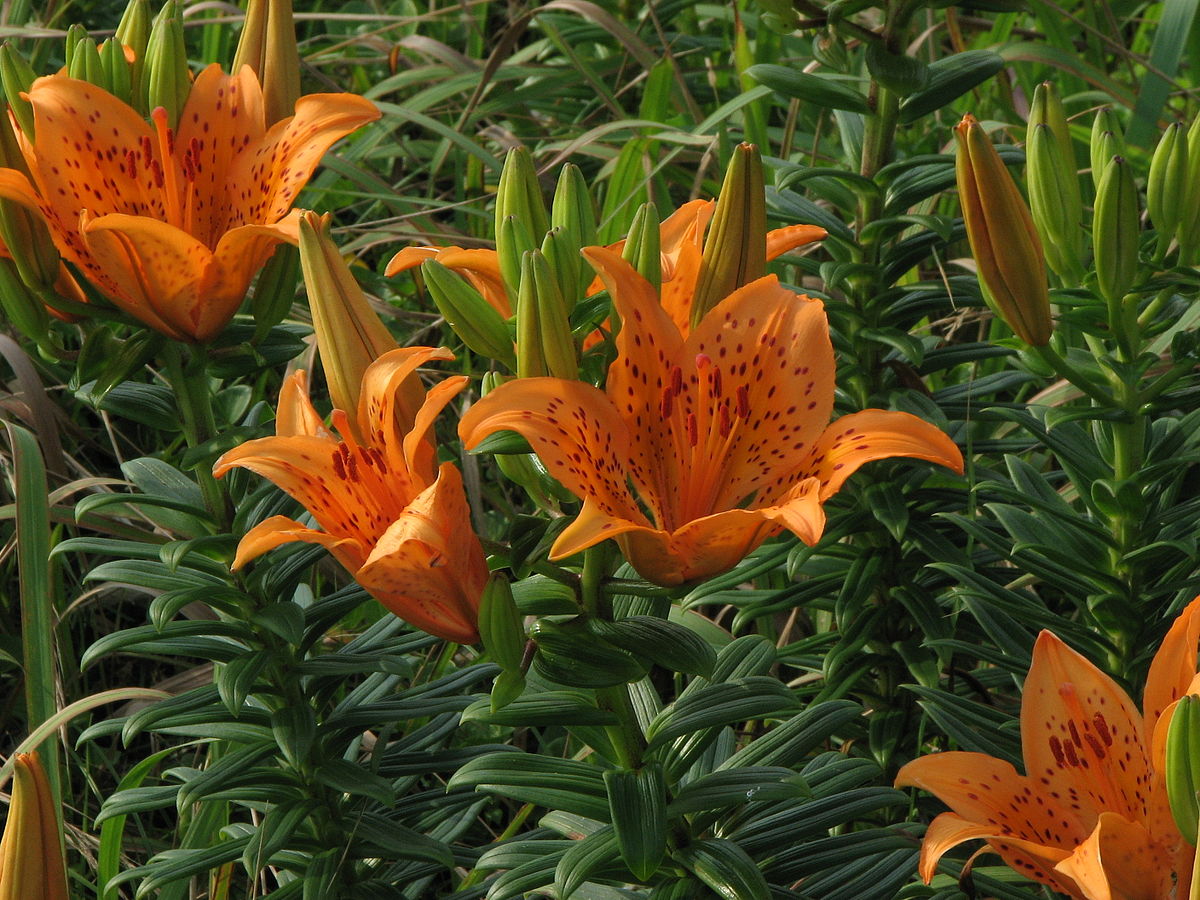
Orange lily
(Lilium maculatum)
Also Known As
Orange lily, Spotted lily, Western trout lily, Tiger lily
About This Plant
Lilium maculatum is a species of flowering plant in the family Liliaceae, native to the eastern United States. It is also known as the Turk's-cap lily due to its distinctive shape. The plant produces showy, reddish-orange flowers with dark spots and recurved petals.
Plant Care Instructions
Outdoor Size Range
24-48 inches (60-120 cm)
Light Requirements
Turk's-cap lilies prefer full sun to partial shade. They should receive at least six hours of direct sunlight per day.
Humidity Needs
Turk's-cap lilies prefer moderate humidity levels, but they can tolerate dry air.
Fertilizing Schedule
Fertilize the plant once a month during the growing season with a balanced fertilizer. Stop fertilizing in the fall to allow the plant to prepare for dormancy.
Pruning Guidelines
Remove spent flowers and yellowing leaves to promote healthy growth. Cut back the stem to the ground after the foliage has died back in the fall.
Common Pests and Diseases
Turk's-cap lilies can be susceptible to aphids, spider mites, and lily leaf beetles. Treat infestations with insecticidal soap or neem oil.
Indoor Size Range
24-36 inches (60-90 cm)
Watering Schedule
The soil should be kept consistently moist but not waterlogged. Water the plant deeply once a week, but adjust watering frequency depending on the weather and soil moisture.
Temperature Range
The ideal temperature range for Turk's-cap lilies is between 60-75°F (15-24°C). They can tolerate slightly higher or lower temperatures, but extreme heat or cold can damage the plant.
Growing Season
Turk's-cap lilies bloom in mid to late summer and go dormant in the fall. They require a period of cold dormancy in the winter to bloom the following year.
Growing Difficulty Level
Turk's-cap lilies are moderately difficult to grow. They require consistent moisture, well-draining soil, and protection from pests and diseases.
USDA Hardiness Zones
Turk's-cap lilies are hardy in USDA zones 4-9.
Did You Know?
Turk's-cap lilies were used by Native Americans for medicinal purposes, including treating headaches and promoting childbirth.