Special Web Offer - Get 50% OFF!
Grab Your Deal Now
PlantSnap
Plant Care
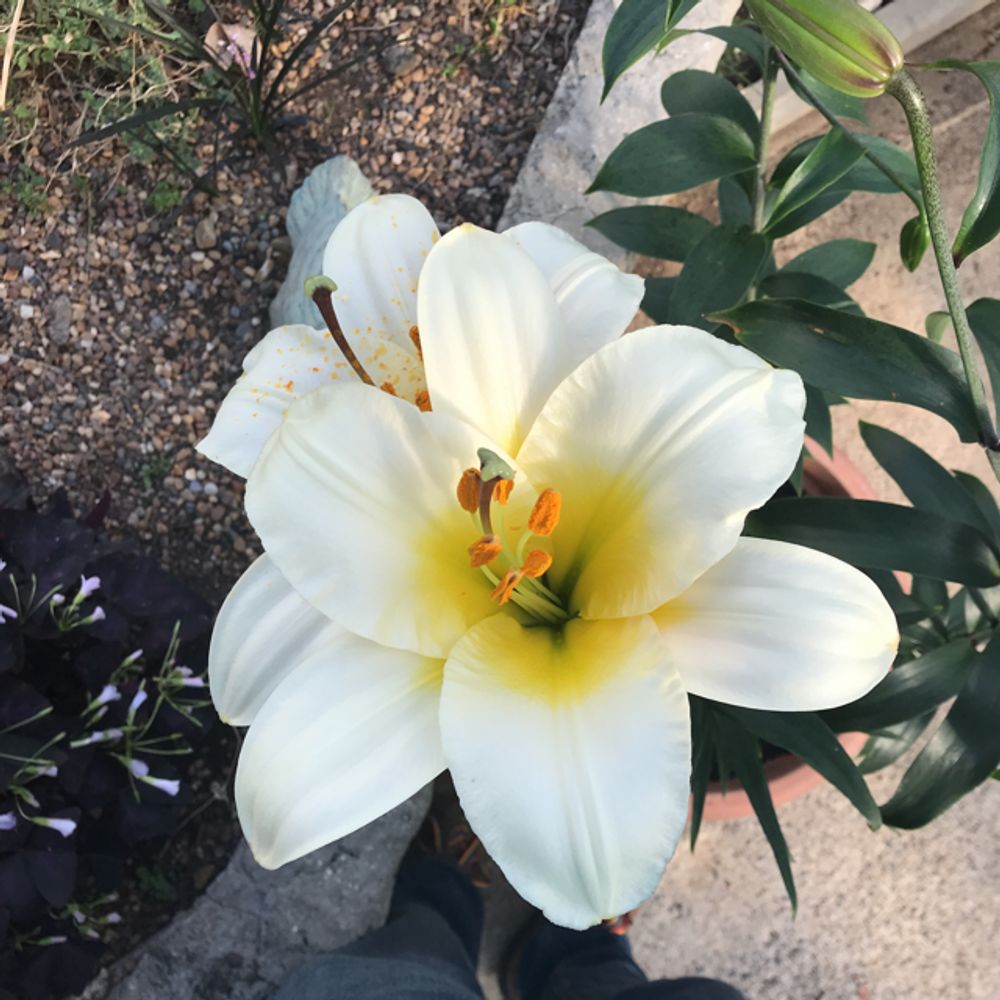
Madonna lily
(Lilium candidum)
Also Known As
Madonna lily, White lily, Lily of the valley
About This Plant
Lilium candidum is a species of plant in the family Liliaceae. It is also known as the Madonna lily and is native to the Balkans and Middle East. The plant has white flowers with a yellow base and brown spots. It is a perennial herbaceous bulbiferous plant that can grow up to 1.2 meters tall.
Plant Care Instructions
Outdoor Size Range
24-36 inches (60-90 cm) tall and 12-18 inches (30-45 cm) wide
Light Requirements
Lilium candidum requires full sunlight to partial shade. It should be planted in a location that receives at least 6 hours of sunlight per day.
Humidity Needs
Lilium candidum prefers moderate humidity levels, around 40-60%. It can tolerate lower humidity levels, but it may require more frequent watering.
Fertilizing Schedule
A balanced fertilizer should be applied in the spring and fall. It is important not to over-fertilize, as this can damage the bulbs.
Pruning Guidelines
Dead flowers and leaves should be removed to promote new growth. The stems should be cut back to the ground after the first frost.
Common Pests and Diseases
Lilium candidum is susceptible to aphids, spider mites, and thrips. It may also be affected by fungal diseases such as botrytis and powdery mildew.
Indoor Size Range
Not suitable for indoor cultivation
Watering Schedule
The soil should be kept moist but not waterlogged. Watering should be done when the top inch of soil is dry to the touch.
Temperature Range
Lilium candidum prefers cool to moderate temperatures, around 60-75°F (15-24°C). It can tolerate higher temperatures but may require more frequent watering.
Growing Season
Lilium candidum blooms in late spring to early summer.
Growing Difficulty Level
Lilium candidum is moderately difficult to grow. It requires well-draining soil and regular watering, but it is susceptible to pests and diseases.
USDA Hardiness Zones
Lilium candidum is hardy in USDA zones 5-9.
Did You Know?
The Madonna lily has been cultivated for over 3,000 years and is one of the oldest known lily species. It has been used in religious ceremonies and is mentioned in the Bible and other ancient texts.
