Special Web Offer - Get 50% OFF!
Grab Your Deal Now
PlantSnap
Plant Care
Mangrove fan palm
(Licuala paucisecta)
Also Known As
Mangrove fan palm, Fan palm, Licuala palm
About This Plant
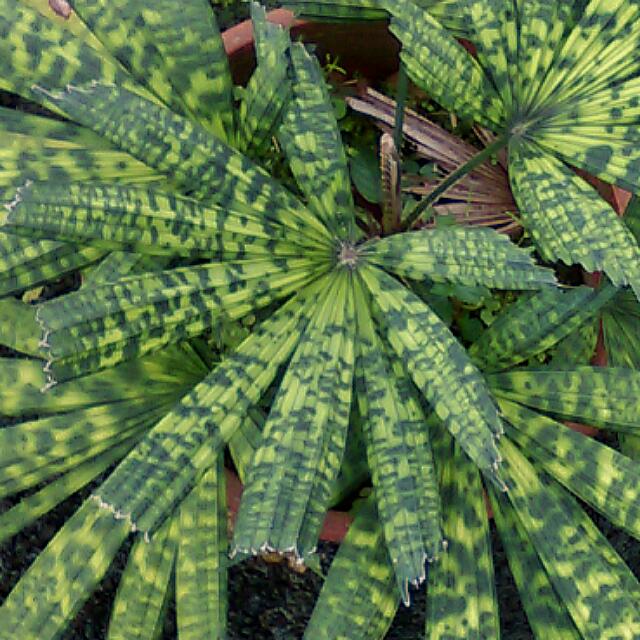
Licuala paucisecta is a species of palm tree that is native to the rainforests of Borneo. It has a slender trunk and large, fan-shaped leaves that are deeply divided into numerous segments. The leaves are a glossy green color and can grow up to 3 feet (91 cm) in diameter.
Plant Care Instructions
Outdoor Size Range
6-10 feet (1.8-3 meters)
Light Requirements
Licuala paucisecta prefers bright, indirect light. Direct sunlight can scorch its leaves. It can tolerate some shade, but too little light can cause the plant to become leggy and weak.
Humidity Needs
Licuala paucisecta prefers high humidity levels. Mist the leaves regularly or place a humidifier near the plant to increase humidity levels. Dry air can cause the tips of the leaves to brown.
Fertilizing Schedule
Feed Licuala paucisecta every 2-3 months during the growing season with a balanced, water-soluble fertilizer. Do not fertilize during the winter months.
Pruning Guidelines
Remove any dead or damaged leaves as needed. Licuala paucisecta does not require heavy pruning.
Common Pests and Diseases
Common pests for Licuala paucisecta include spider mites, mealybugs, and scale insects. It can also be susceptible to fungal diseases if overwatered.
Indoor Size Range
2-3 feet (61-91 cm)
Watering Schedule
This plant species prefers consistently moist soil but does not like to be waterlogged. Water it thoroughly when the top inch (2.5 cm) of soil is dry to the touch. Reduce watering during the winter months.
Temperature Range
This plant species prefers warm temperatures between 68-85°F (20-29°C). It can tolerate slightly cooler temperatures but should not be exposed to temperatures below 50°F (10°C).
Growing Season
Licuala paucisecta can be grown year-round indoors, but it prefers to be planted in the spring or summer if grown outdoors.
Growing Difficulty Level
Licuala paucisecta can be challenging to grow indoors due to its high humidity and temperature requirements. It is best suited for experienced indoor gardeners.
USDA Hardiness Zones
Licuala paucisecta is hardy in USDA zones 10-12.
Did You Know?
Licuala paucisecta is known for its striking appearance and is a popular choice for tropical gardens and indoor spaces. In its native habitat, it is often used for thatching and weaving baskets.
