Special Web Offer - Get 50% OFF!
Grab Your Deal Now
PlantSnap
Plant Care
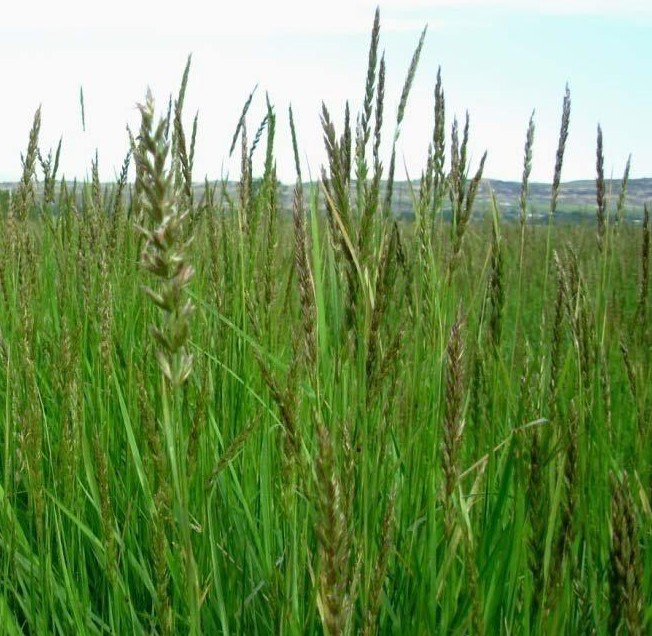
Manystem wildrye
(Leymus multicaulis)
Also Known As
Manystem wildrye, Chinese leymus, Multicaul leymus, Korean wild rye
About This Plant
Leymus multicaulis is a species of grass that is native to North America. It has long, narrow leaves that are grey-green in color and can grow up to 3 feet tall. The plant produces flowers in the summer that are green and brown in color.
Plant Care Instructions
Outdoor Size Range
24-36 inches (61-91 cm) tall, 18-24 inches (46-61 cm) wide
Light Requirements
Leymus multicaulis prefers full sun to partial shade. It can tolerate some shade, but too much shade will result in weak growth and floppy stems.
Humidity Needs
Leymus multicaulis is adapted to dry conditions and does not require high humidity levels.
Fertilizing Schedule
This plant does not require a lot of fertilizer. A balanced fertilizer applied in the spring can help promote healthy growth.
Pruning Guidelines
Prune Leymus multicaulis in the early spring before new growth appears. Cut back any dead or damaged stems and remove any old, woody growth to promote new growth.
Common Pests and Diseases
Leymus multicaulis is generally pest-free, but it may be susceptible to rust and leaf spot diseases in wet conditions.
Indoor Size Range
Not suitable for indoor growth
Watering Schedule
This plant is drought-tolerant and does not require a lot of water. It prefers well-draining soil and should be watered deeply but infrequently. Allow the soil to dry out between waterings.
Temperature Range
This plant is cold-hardy and can tolerate temperatures as low as -40°F (-40°C). It prefers cooler temperatures and may struggle in hot, humid conditions.
Growing Season
Leymus multicaulis is a cool-season grass that grows best in the spring and fall. It may struggle in hot, dry conditions in the summer.
Growing Difficulty Level
Leymus multicaulis is a relatively easy plant to grow. It is drought-tolerant and can tolerate a wide range of soil types.
USDA Hardiness Zones
Leymus multicaulis is hardy in USDA zones 4-9.
Did You Know?
Leymus multicaulis is an important plant for erosion control and soil stabilization in North America. It is often used in restoration projects and can help prevent landslides and other soil-related disasters.